

The American AbenakiAbenaki tribes, families, and people who live in the United States. Vermont has four recognized Abenaki tribes; for more information visit Abenaki Alliance. Curriculum: A Journey of History and ResilienceThe ability of people to recover quickly from a difficulty or to adjust easily to change. celebrates the vibrancy of AbenakiHistorically, this name was used by the French to refer to many different Indigenous communities in Vermont, New Hampshire, and Maine. During the colonial wars, some New England Indians moved to southern Canada as war refugees. They were joined by refugees from other tribes and together became known as Abenaki. (Calloway, 1994) history and living culture by addressing the Compelling QuestionFrom the Inquiry Design Model (IDM) At a Glance: “Compelling questions address issues in and across the academic disciplines that make up social studies. They reflect students' interests and the curriculum and content with which students might have little experience, Example: Was the American Revolution revolutionary?”(Grant et al., 2014):
How have the Abenaki people survived and adapted to their environmentAll the physical surroundings on Earth, including everything living and nonliving. for thousands of years?
To answer this question, students generate curiosity, then explore a ResourceA source of information for student learning, such as a website, video, library book, poster, or map. Bank that offers an authentic portrayal of local Abenaki heritage(Related term: cultural heritage) Something that is inherited from previous generations and passed along to future generations. It includes family identity, cultural practices, values, and traditions. and culture over time through recommended videos, books, a timelineA graphic representation that shows a chronology of events (in the order they occurred) on a line. , posters, and field trips.
Highlights
Flexible: for teachers who have minimal time or for those who want to implement a six-week curriculum
- Designed for grades 3–12
- C-3 Framework for Social Studies aligned
- Inquiry-based activities and assessments
- Includes primary sources
- SupportsStructures and strategies that help a student access content and demonstrate what they know and can do. Social Studies and English Languages Arts integrationThe intentional design of learning activities to include opportunities for students to learn about and practice the arts alongside content, for example, a mathematics unit/project that includes using geometry to create art.
Staging the Compelling Question
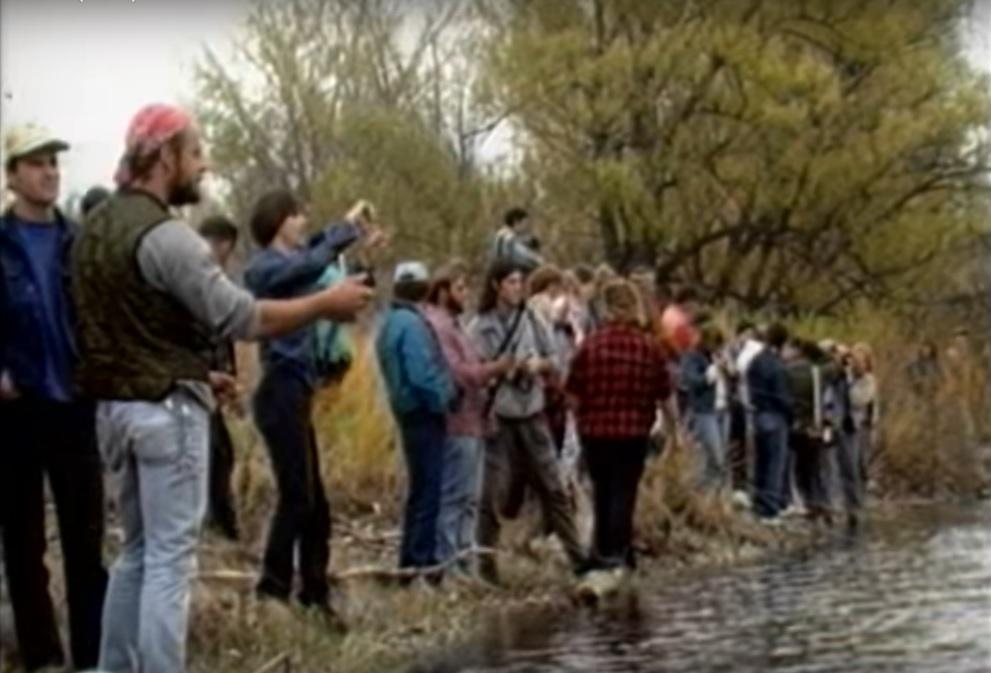
How have the Abenaki people survived and adapted to their environment for thousands of years?
Assessment ObjectiveThe target or goal that is being measured.: Students will use what they have learned about Abenaki culture to explain the challenges that the Abenaki have faced and share examples from multiple sources (written narrativeA story or account of events that is written or spoken. , artwork, photographs, etc.) of how the American Abenaki have survived and adapted.
Supporting Question 1
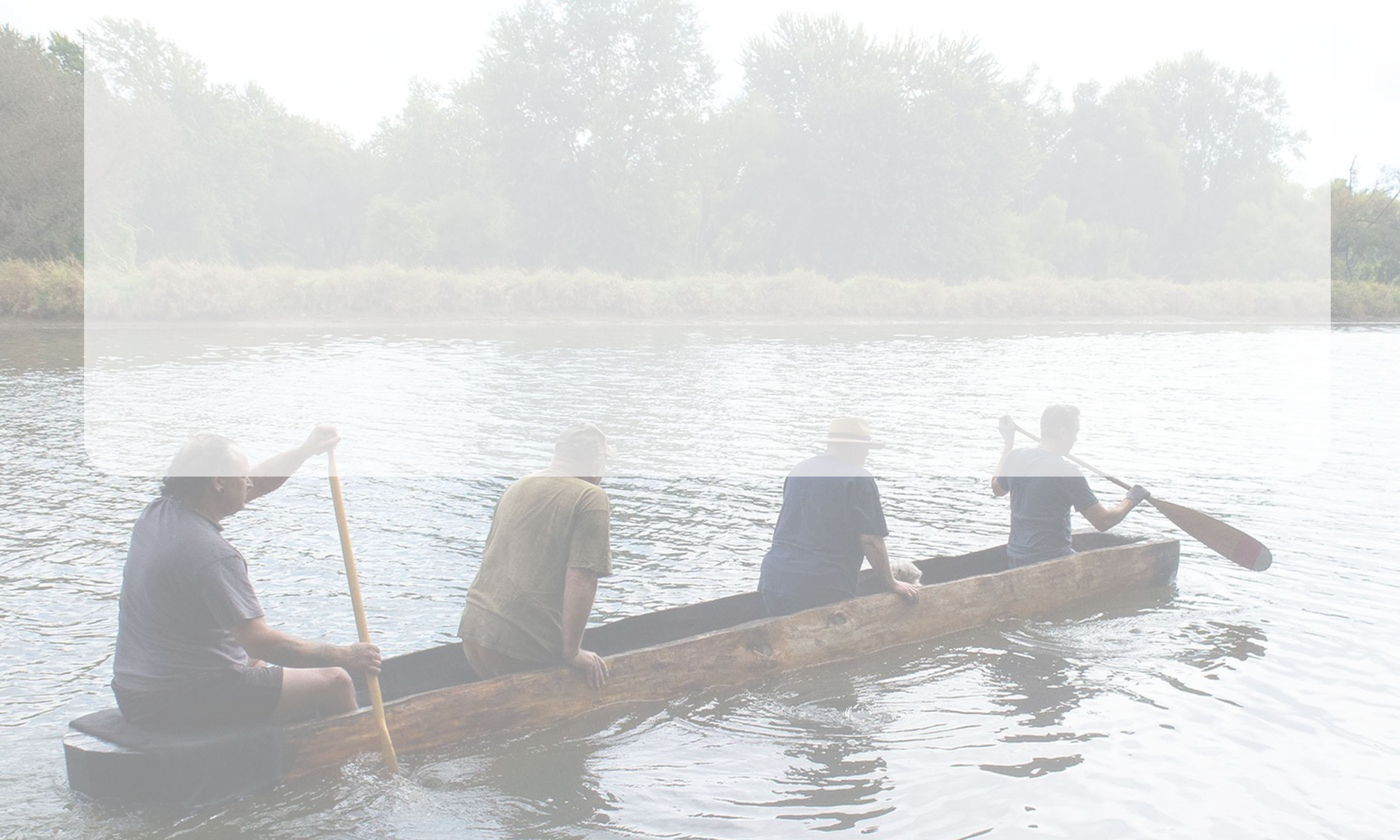
How do geographic features and the environment affect the daily lives, culturalRelating to the beliefs, language, traditions, and other ways of living that a group shares. practices, and relationships of the Abenaki people?
AssessmentA tool to measure what a student knows and can do. Objective:
Students can explain how geographyThe study of places on Earth, their features, and the people who live there. impacts the cultural practices of the Abenaki and can documentTo provide evidence of claims with supporting materials. their learning in a variety of ways.
Supporting Question 2
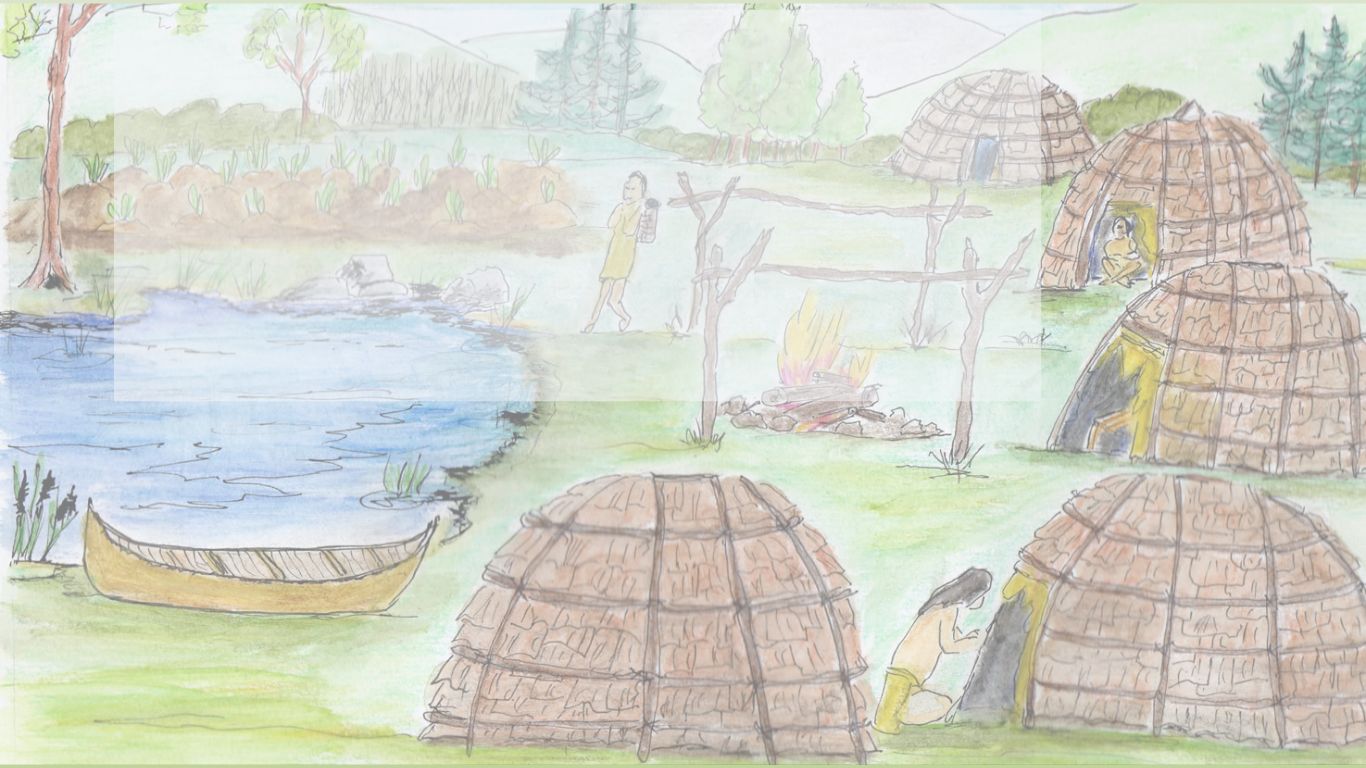
What are some examples of significant Abenaki lifewaysThe customary foods, clothing, shelters, and arts of a people. (food, clothing, shelterA place or structure that protects people from the weather. , and arts), and how have the Abenaki people adapted these lifeways to their environment?
Assessment Objective:
Students can explain how Abenaki lifeways are adapted to their environment, can document their learning in a variety of ways, and communicate observations in written or spoken form.

Supporting Question 3
How have the American Abenaki people demonstrated resilience and resourcefulnessThe ability to find ways to deal with problems quickly and with imagination. in maintaining their culture from colonial times(Related words: colonial, colony, colonize) The period of American history between the time period when Europeans settled in North America in the 1500s and when the United States was declared independent in 1776. to today?
Assessment Objective:
Students can ask and answer informed questions and write about how the American Abenaki people have maintained their cultural identity.
Weaving a thread through seven generationsGroups of people born around the same time. In one family, children, parents, and grandparents are from different generations.

Summative Performance Task
Students will make an argument that answers the Compelling Question “How have the Abenaki people survived and adapted to their environment for thousands of years?” Arguments should include a claim, multiple points of evidence, and their own reasoning.
Assessment Objective:
Students will use what they have learned about Abenaki culture to explain challenges the Abenaki have faced and share examples from multiple sources (written narrative, artwork, photographs, etc.) of how the American Abenaki have survived and adapted. Their argument will answer the Compelling Question “How have the Abenaki people survived and adapted to their environment for thousands of years?” Arguments should include a claim, multiple points of evidence, and their own reasoning.
Taking Informed Action
Students will develop CommunityA group of people living or working together in a particular area, or people belonging to a cultural group. Action Proposals that outline tangible ways to support resilience, cultural preservationActions taken to protect the beliefs, languages, traditions, places, and objects of a group of people. , or belonging in their school or local community.
Taking Informed Action is essential to the Inquiry Design ModelThe Inquiry Design Model (IDM) (Swan et al, n.d.) is a distinctive approach to creating instructional materials that honors teachers’ knowledge and expertise, avoids over-prescription, and focuses on the key elements envisioned in the C3 Inquiry Arc. (IDM) as it supports students in transferring their new learning to civic engagementPeople participating in activities that help solve problems in their community. in their local communities. It “Includes three steps: Understand the Issue, Assess Possible Solutions or Approaches, and Act to Make a Difference.” (Swan et al., n.d.)

Resource Bank
This section lists the learning resources needed for the American Abenaki Curriculum in two ways: Illustrated Resources by Type (graphics, books, videos, and websites, and other) and Resources by Subject Area with Grade Levels.
Illustrated Resources by Type. Recommended learning resources grouped by graphics, books, videos, and websites, and other.
Resources by Subject Area with Grade Levels. You can use the keywords provided in the Illustrated List to locate groups of related resources.
This website is a living document and will be updated as needed.