Skip to content
  • American Abenaki Curriculum
  • Before You Begin
  • Inquiry overview
  • Comprehensive Inquiry
    • Staging the Compelling Question
    • Supporting Question 1
    • Supporting Question 2
    • Supporting Question 3
    • Summative Performance Task
    • Taking Informed Action
  • Resource Bank
    • Illustrated Resources by Type
    • Resources by Subject Area with Grade Levels
    • Worksheets
  • Frequently Asked Questions
  • Standards Alignment and Learning Scales
  • About Us
    • Our Story
    • Our Team
    • Partners and Sponsors
  • Contact us
  • Site Map
American Abenaki Curriculum

American Abenaki Curriculum

A Journey of History and Resilience

  • American Abenaki Curriculum
  • Before You Begin
  • Inquiry overview
  • Comprehensive Inquiry
    • Staging the Compelling Question
    • Supporting Question 1
    • Supporting Question 2
    • Supporting Question 3
    • Summative Performance Task
    • Taking Informed Action
  • Resource Bank
    • Illustrated Resources by Type
    • Resources by Subject Area with Grade Levels
    • Worksheets
  • Frequently Asked Questions
  • Standards Alignment and Learning Scales
  • About Us
    • Our Story
    • Our Team
    • Partners and Sponsors
  • Contact us
  • Site Map

Sample Resources for Supporting Question 3

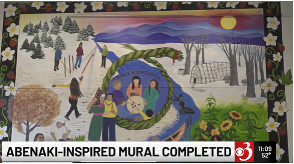
New Montpelier Mural Celebrates Abenaki Culture (Tara, 2023)
Indigenous Expressions Film Series: Melody of Language (ECHO Leahy Center for Lake Champlain, 2017b)
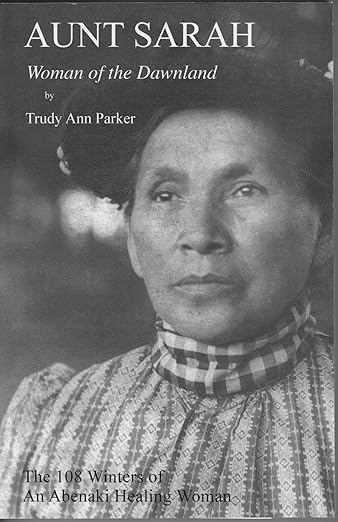
Aunt Sarah: Woman of the Dawnland book cover
Aunt Sarah: Woman of the Dawnland. The 108 Winters of an Abenaki Healing Woman (Parker, 1994)
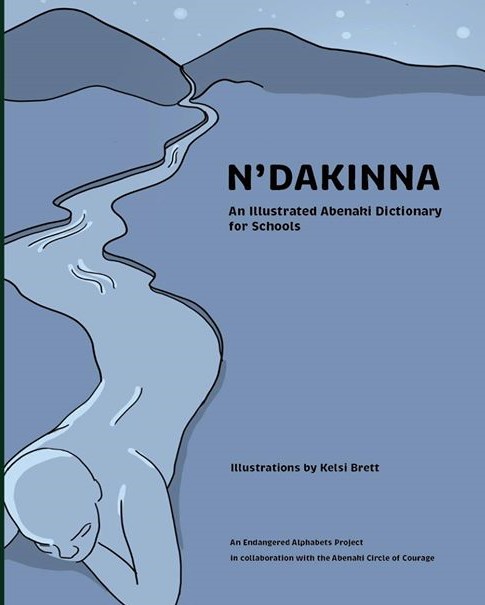
The cover of the N'dakinna illustrated Abenaki Dictionary for Schools.
N’Dakinna: An Illustrated Abenaki Dictionary for Schools
(Circle of Courage, 2019)

Suggested Citation: American Abenaki Curriculum: A Journey of History and Resilience. (2025). American Abenaki Curriculum Committee.

© 2026 American Abenaki Curriculum Committee. All rights reserved.

Permission is granted for this curriculum to be used for educational purposes, research, and teaching. However, it may not be used in ways that support harm or promote the erasure of Vermont’s four State-Recognized Abenaki Tribes or individuals by institutions, news agencies, academic bodies, or the public in ways that perpetuate harm or lateral oppression from other tribes or Indigenous groups. All uses must honor the integrity, history, and cultural sovereignty of the American Abenaki people and tribes.

For further inquiries or permissions, please contact the American Abenaki Curriculum Committee.