
After living in the same region for thousands of years, AbenakiHistorically, this name was used by the French to refer to many different Indigenous communities in Vermont, New Hampshire, and Maine. During the colonial wars, some New England Indians moved to southern Canada as war refugees. They were joined by refugees from other tribes and together became known as Abenaki. (Calloway, 1994) people were experts in using renewable resources and sustainable practices.
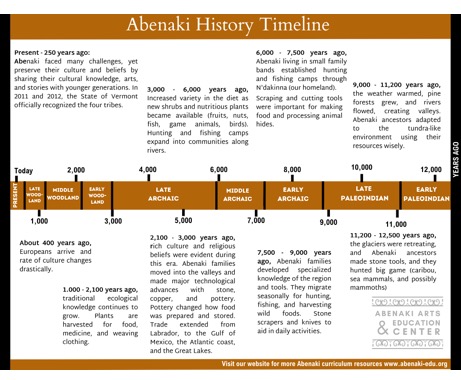
The “Abenaki History Timeline” poster (Abenaki Arts & Education Center, 2023) and the “Summary of 12,000 Years of Abenaki History” (Sheehan, 2025k) provide clues about the daily lives of Abenaki ancestors. Some 11,500 years ago, at the end of the last Ice Age in North America, resources were limited, so people in this region lived in small family groups. They chipped local flint, chert, and quartz into projectile points and cutting instruments that facilitated hunting and processing game animals and sea mammals. These creatures provided meat and skins for food and clothing; large animal bones and skins were also used to build shelters. Slowly, over thousands of years, the climate warmed and arctic tundra evolved into woodland forests, hosting new varieties of wildlife and abundant trees, shrubs, and edible plants. The Abenaki people who lived through these changes innovated new ways of harvesting and using different natural resourcesParts of the environment that people use, such as sunlight, air, water, soil, rocks, fossil fuels, and living organisms. (Day, 1953).
By 3,000 years ago, regional resources included a wide variety of wild animals, fowl, fish, edible and medicinal plants, fruits, and nuts. Settlement
A place where people have newly come to live and form a community. patterns changed as families began to move from high terraces overlooking waterways into flatland settlements closer to lakes and rivers. As food sources and materials for clothing and shelterA place or structure that protects people from the weather. became more readily available, Abenaki people were able to live in larger extended families. New techniques and culturalRelating to the beliefs, language, traditions, and other ways of living that a group shares. practices were developed, such as tooling copper nuggets into knives and ornaments and making pottery vessels for cooking and storage (Haviland & Power, 1994). When Abenaki people began practicing maize horticulture, this expansion into farming enabled larger villages to flourish (Petersen & Cowie, 2002). (Read more about agriculture under Supporting Question 2)
Ceremonial burial sites and petroglyphs reflect religious beliefs that were present as long as 3,000 years ago. Archeological evidence shows that Abenaki people moved beyond a mere subsistence economy of hunting and gathering into a robust economy of producing food and participating in extended trading networks. For example, Ramah Bay chert (a type of rock from Newfoundland and Labrador), sea shells, and seeds have been found at archeological sites in Vermont, evidence of pre-Columbian trade routes that extended from the Atlantic Ocean to Labrador, the Great Lakes, the Caribbean, and beyond. Roughly 1,000 years ago, the food plant maize (commonly called corn, which originated as the teosinte plant in Mesoamerica) was transported along trade networks from the Southwest to the Northeast. Maize, interplanted with beans and squash, flourished when planted along the river intervales (flood plains) in Abenaki territory. (Haviland & Power, 1994)
For More Information
Books:
Day, Gordon M. (1953). “The Indian as an ecological factor in the northeastern forest.” Ecology 34: 329–346. https://www.jstor.org/stable/1930900
Haviland, William A. and Marjory W. Power. The Original Vermonters: Native Inhabitants, Past and Present. (Revised and Expanded Edition). University Press of New England.
Klyza, C. M., & Trombulak, S. C. (1999). The Story of Vermont: A Natural and Cultural History. University Press of New England.
Petersen, James B. and Ellen R. Cowie. (2002). “From Hunter-Gatherer Camp to Horticultural Village: Later Prehistoric IndigenousThe first people living in any region, distinct from later arrivals. Subsistence and Settlement in New England.” In Northeast Subsistence Settlement Change A .D. 700-1300, edited by J. P. Hart and Christina B. Rieth, 265-288. Albany, NY: NY State Museum Bulletin 496. On-line: https://exhibitions.nysm.nysed.gov/publications/bulletin/496-14644.pdf
Wiseman, F. M. (2005). Reclaiming the Ancestors: Decolonizing a Taken Prehistory of the Far Northeast. University of New England Press.
Wiseman, F. M. The Voice of the Dawn: An Autohistory of the Abenaki NationPeople living in the same region under its independent government and having a shared history, language, and culture. . University Press of New England, 2001.
Wiseman, F. M. The Voice of the Dawn: An Autohistory of the Abenaki Nation. University Press of New England, 2001.
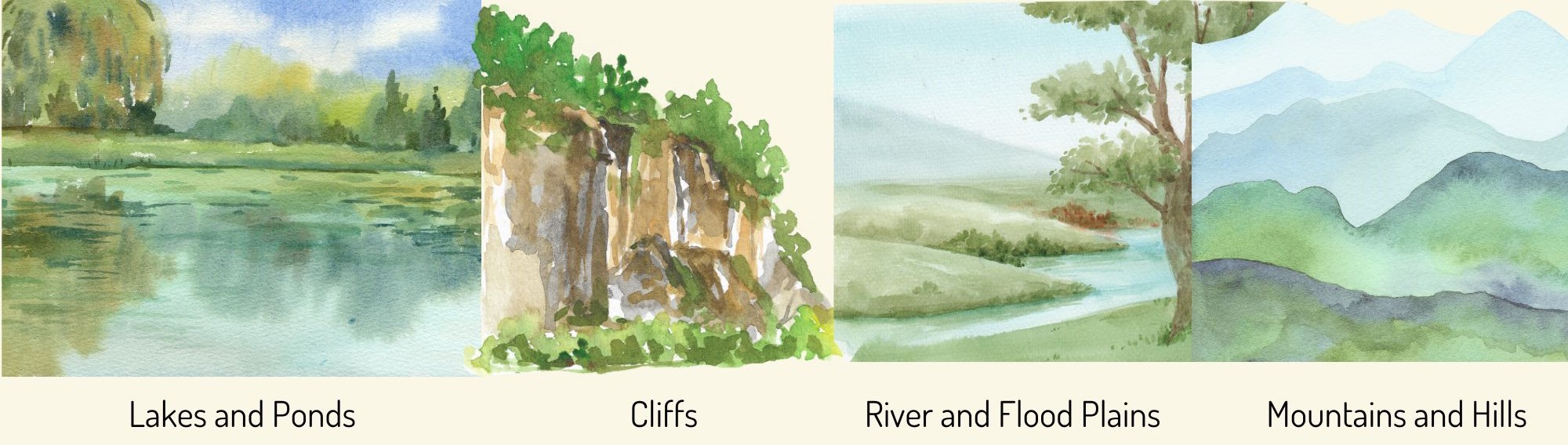
The above information comes from the “Deep Roots, Strong Branches” traveling exhibition, Vermont Abenaki Artists Association, curated by Vera Longtoe Sheehan (2025e). Printed with permission of the author. Share as much or as little with your students as needed to successfully complete the curriculum activities.
©2025. Vera Longtoe Sheehan. All Rights Reserved.