
Recommended learning resources by type (graphics, books, videos, websites, and other). Click to open each section.
Graphics (maps, murals, and posters)
[Poster]
(Abenaki Arts & Education Center, 2025a)
Keywords: clothing, cultural practices and lifeways
[Poster]
(Abenaki Arts & Education Center, 2023)
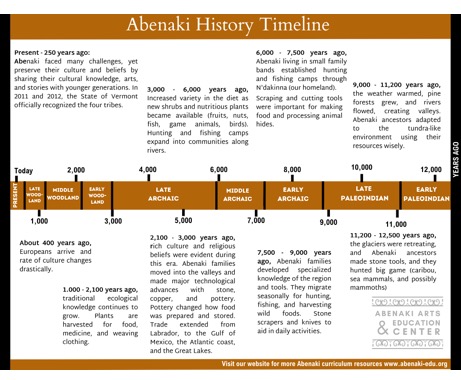
This timeline spans 12,000 years of Abenaki history with information on natural resources used for food, clothing, and tools.
Keywords: cultural practices and lifeways, food, geography and natural resources, history, hunting and fishing, resilience, adaptation
[Poster]
(Abenaki Arts & Education Center, 2025c)
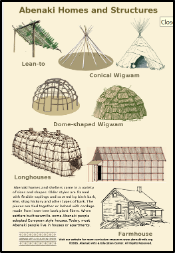
Using this poster, students can make inferences about the materials used and methods of construction of traditional Abenaki shelters.
Keywords: cultural practices and lifeways, shelter
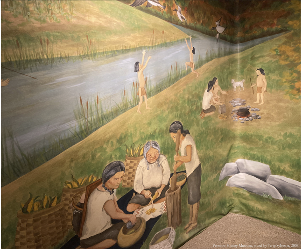
Painted by Terry Sylvester and owned by the Vermont Historical Society, this mural depicts Abenaki lifeways related to food.
Keywords: clothing, cultural practices and lifeways, food, geography and natural resources, history
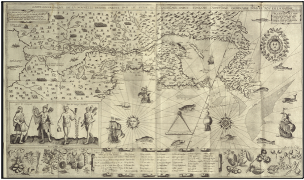
Made by Samuel de Champlain in 1612, the title of this map is “Carte geographique de la Nouvelle Franse faictte par le sieur de Champlain Saint ongois cappitaine ordinaire pour le roy en la marine. Faict l’en 1612.” The map includes drawings of North American plants used for food.
Keywords: clothing, cultural practices and lifeways, food, hunting and fishing, geography, natural resources
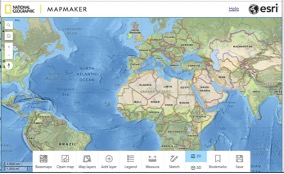
This free online mapping tool from National Geographic Society and Esri is intended for use by K–12 teachers and students. Students can build their own 2D or 3D maps and practice mapping skills using provided geographic, Earth Science, environmental, and political data.
Keywords: geography

This interactive world map allows users to rotate the globe and to see the locations of Native lands, languages, and treaties. The zoom feature allows them to view a local map after using the address search tool. This interactive is suitable for all students who are familiar with world maps.
A Teacher’s Guide offering instruction on how to use the website is available.
Keyword: geography
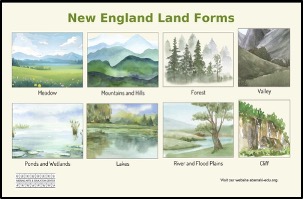
This poster shows paintings of eight typical landforms and provides visual references for students when they discuss the effects of geographic features on Abenaki lifeways.
Keywords: geography and natural resources
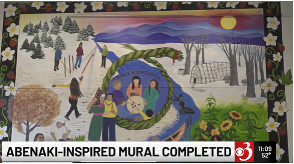
This news article, with accompanying 3-minute video, profiles some of the Abenaki artists who worked on a mural about Abenaki life for the Montpelier Transit Center.
Keywords: clothing, cultural practices and lifeways, food, hunting and fishing, natural resources
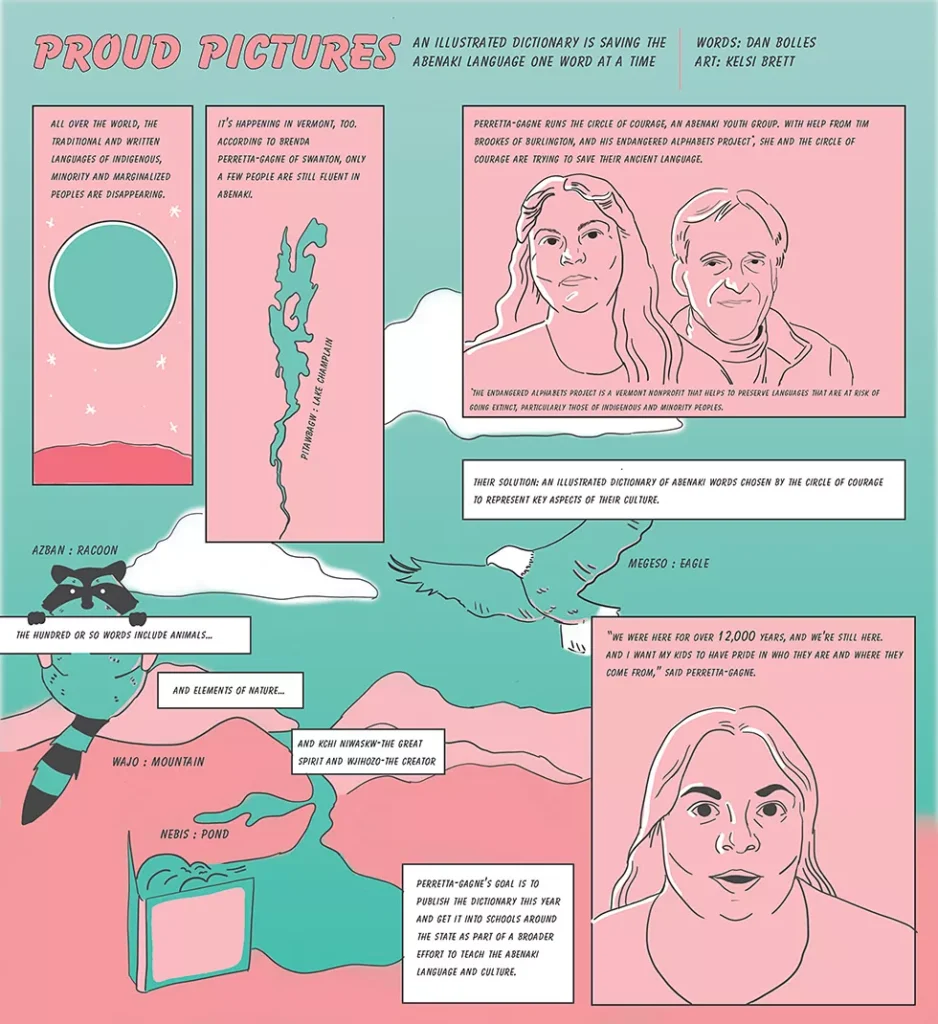
This poster/infographic summarizes a project to create a 100-plus-word illustrated dictionary of the Abenaki language.
Keywords: language, neighbors
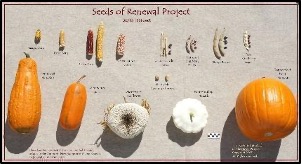
This poster, with photos of traditional crops (corn, beans, and squash) from the 2013 harvest was produced by Frederick M. Wiseman, Ph.D. for the Haven Project.
Keywords: continuity of culture, food
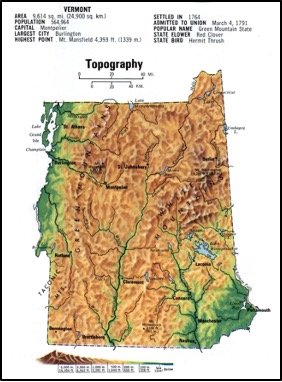
This free online map shows elevation in meters and feet with a key, bodies of water, cities, total area, total population, and other data.
Keywords: geography, natural resources
Text-based Materials (articles, books, booklets, and news)
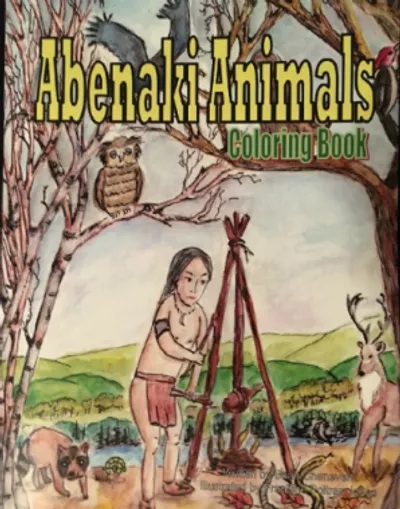
Intended to teach the Abenaki language to children, this coloring book is available through the Nulhegan Abenaki Tribe. Email Nicole St. Onge for purchase details at nicolestonge@myfairpoint.net or Title VI Indian Education Coordinator Lucy Cannon-Neel at Nulhegannecc@gmail.com
Keyword: language
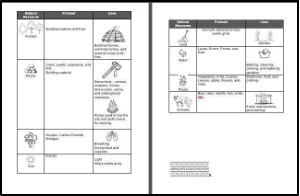
With a minimum of text thatmakes it accessible to most grade levels, this printable PDF links natural resources to their traditional uses by Abenaki people.
Keywords: cultural practices and lifeways, natural resources
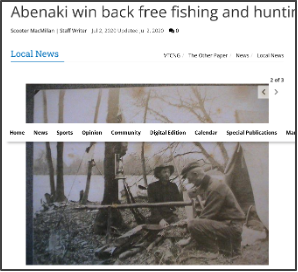
This online newspaper article, also the story of the Abenaki winning free fishing and hunting rights in Vermont, is suitable for middle and high school readers.
Keywords: legal, governance, social justice
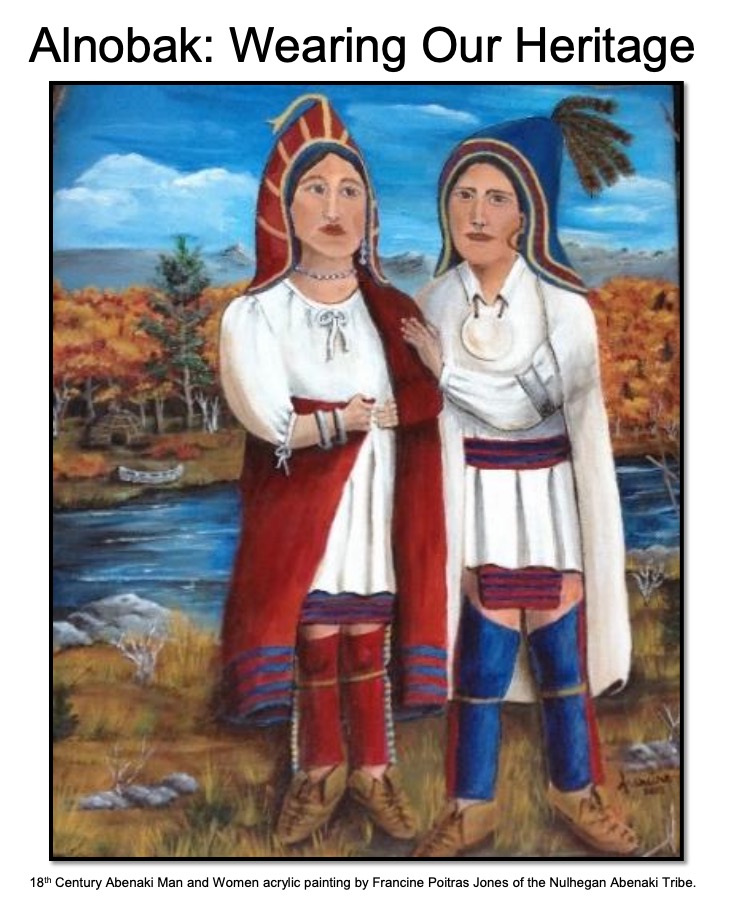
This 12-page study guide with student response pages is suitable for grades 4–6. Its original purpose was to support a museum exhibit of the same name, but it works well as an overview of Abenaki history and culture.
Keywords: art, clothing, continuity of culture, cultural practices and lifeways, history
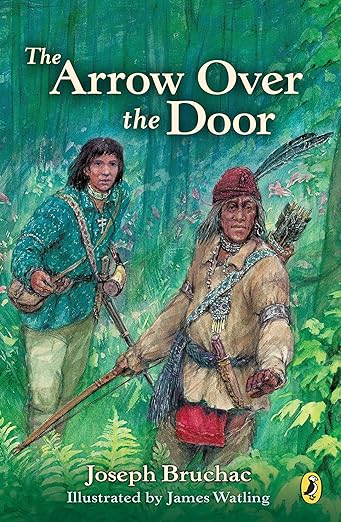
This historical fiction chapter book, suitable for grades 2–5, tells a story of goodwill between different cultures during the Revolutionary War.
Keywords: history, neighbors
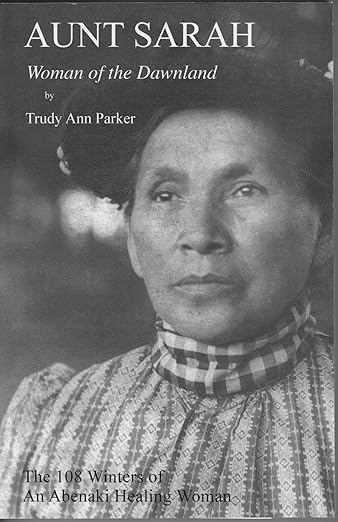
This 275-page book is written as a novel but contains accurate details about the history and culture of the Abenaki people. It is suitable for middle and high school readers and can be used for Supporting Questions 1, 2, and 3.
Keywords: art, continuity of culture, cultural practices and lifeways, family, history, neighbors
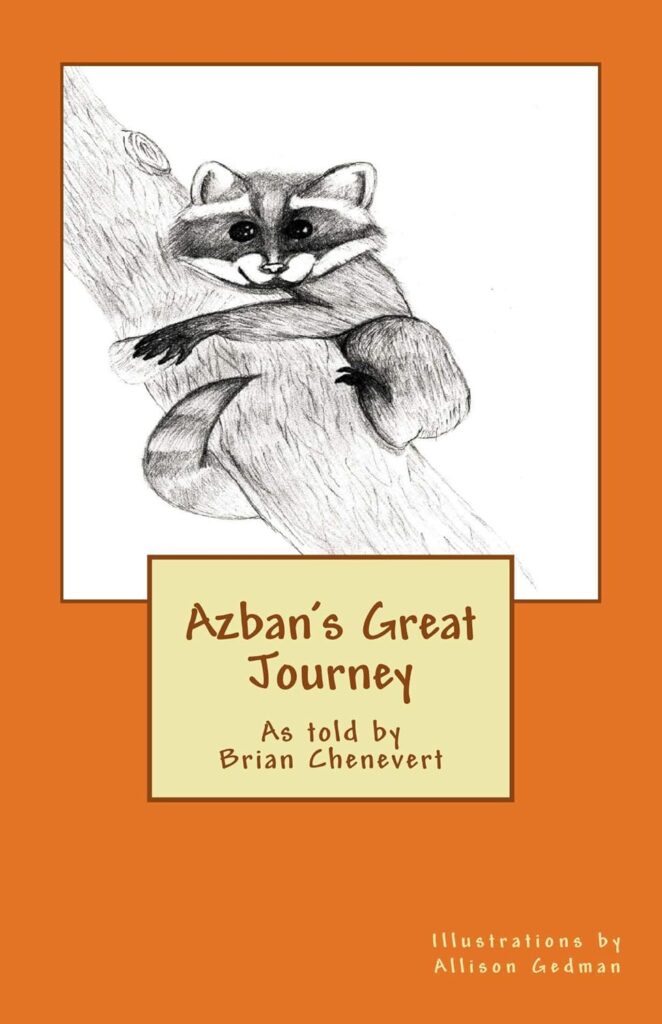
With a reading level suitable for grades 4–6, this 56-page book includes ten traditional and modern tales of the raccoon Azban, trickster of the Western Abenaki people, and provides timeless lessons for all ages. Azban travels to different environments and ecosystems throughout the Abenaki homeland, including the Connecticut River, Koasek/White Pines, Great Falls, caves, and the river/seacoast.
Keywords: food, geography and natural resources, hunting and fishing
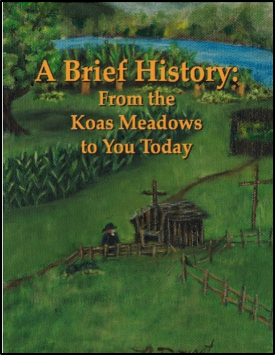
Accessible to readers in grades 4–12, the chapter called “Daily Life of the Koasek Abenaki” (pp. 7–10) provides insights into the daily and seasonal activities of Abenaki people.
Keywords: food, cultural practices and lifeways, shelter
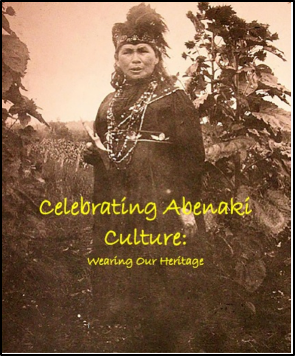
This 12-page study guide, including student response sheets, describes a multi-year project to document traditional clothing made and worn by Abenaki people.
Keywords: clothing, cultural practices and lifeways, history
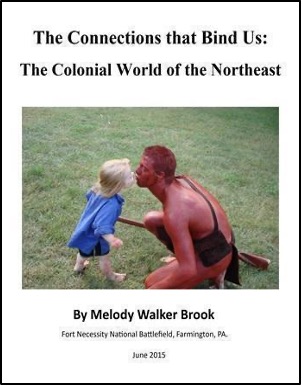
This 29-page research-based article by Melody Walker Brook explains how and why the varied Indigenous tribes of the American Northeast are interrelated. Writing prompts are provided and suitable for high school students.
Keywords: cultural practices and lifeways, history

Suitable for middle and high school students, this blog post addresses hunting traditions, folklore, spirituality, and ends with a poem about the relationship of the Abenaki to wild deer. Photo courtesy of Joe Bruchac.
Keywords: cultural practices and lifeways, hunting and fishing, food
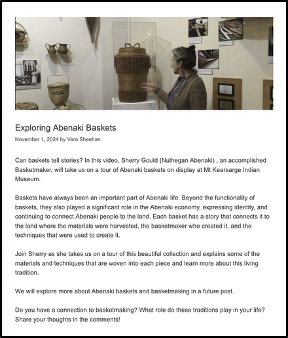
In this online article, artist/educator Vera Sheehan points readers to a video featuring the work of an accomplished Abenaki basketmaker.
Keyword: art
This web page describes famous Abenaki people from the historic period through the present, including healers, leaders, diplomats, and celebrities. Each biography includes links to more resources. The web page includes a worksheet to track student research.
Keyword: history
This online article describes what fiddleheads are, when they are harvested, and what they taste like. It also includes traditional recipes for preparing fiddleheads that are adapted with modern ingredients.
Keywords: food, continuity of culture, cultural practices and lifeways
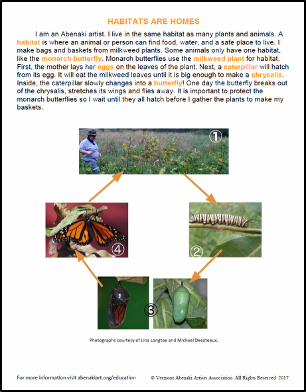
An illustrated 2-page activity sheet from “Abenaki Activity Sheets for Young Learners,” that connects Abenaki weaving to the life cycle and habitat of Monarch Butterflies. Keywords: art, clothing, cultural practices and lifeways
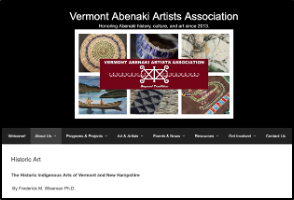
This online article, illustrated with photos of Abenaki artistic cultural objects, is suitable for readers in middle and high school.
Keywords: art, continuity of culture
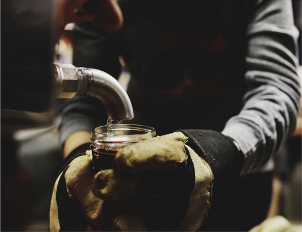
Written by a chef, this online article profiles the Abenaki writer Alex Cotnoir, who also wrote the resource titled “Sugaring in Wabanahkik (Land of the Dawn).” (Cotnoir, 2021)
Keywords: cultural practices and lifeways, food
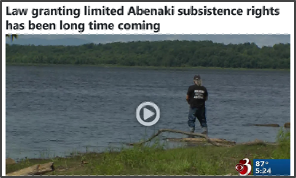
This online text news article, accompanied by a television news video, reports on the State of Vermont granting four Abenaki tribes limited subsistence rights without having to pay fees for fishing and hunting licenses.
Keywords: legal, governance, social justice
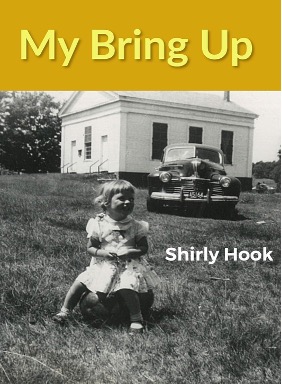
This 156-page book contains a collection of 20 stories about growing up in rural Vermont in the 1950s and 1960s told by an Abenaki woman, Shirly Hook. It is recommended for Supporting Question 3.
Keywords: cultural practices and lifeways, family, food, history, neighbors
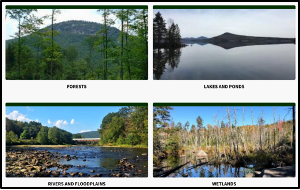
This Vermont government web page, suitable for middle and high school students, describes the ecological functions and benefits to humans of forests, lakes and ponds, rivers and floodplains, and wetlands.
Keywords: geography and natural resources
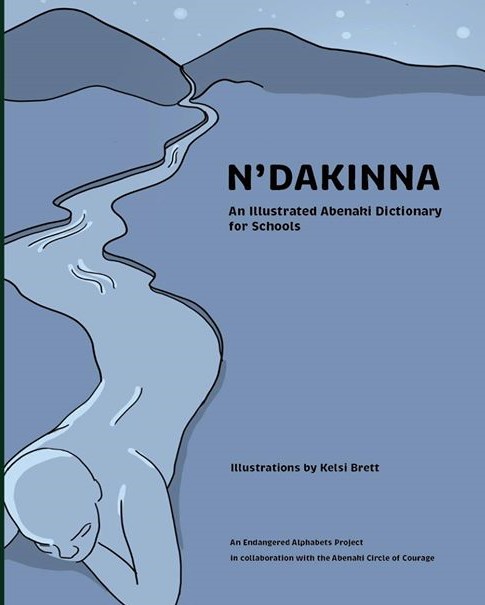
(Circle of Courage, 2019)
Intended for all ages, this book of about 100 Abenaki words was developed in collaboration with the EndangeredAlphabets Project. It is available through the Circle of Courage Youth Group. To purchase, call (802) 868-3453 or email circleofcourage@comcast.net.Keyword: language
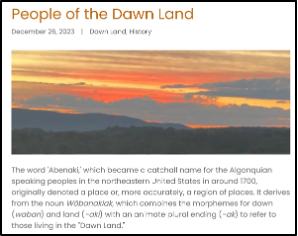
This blog post, accessible by middle and high school students, discusses the effects of early encounters between the Abenaki people and Europeans from the 1000s CE to the 1600s.
Keyword: history
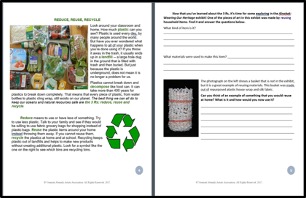
The third and fourth pages of this study guide connect the three Rs of waste management to Abenaki art practices that reuse materials and include questions for student reflection.
Keywords: art, cultural practices and lifeways

In this blog post, Joe Bruchac reflects on reasons why information about the Abenaki in Vermont was difficult to find until recent times and State Recognition.
Keywords: legal, governance, social justice
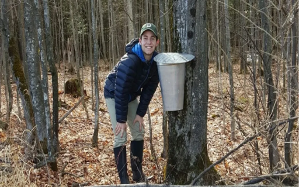
This online article describes the traditional practice of maple sugaring and includes historic and contemporary photos, further reading suggestions, and a resource list for educators.
Keywords: cultural practices and lifeways, food
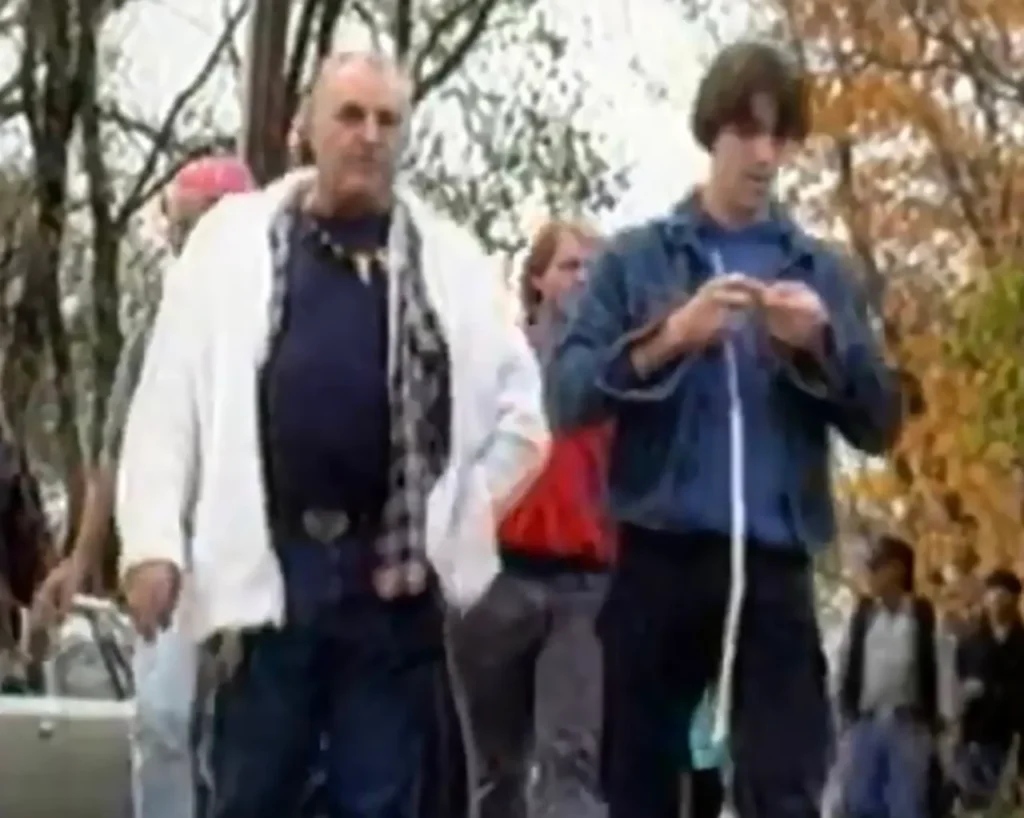
This blog post describes efforts of a group of Abenaki to assert their rights to fish and hunt through nonviolent action during the 1970s–1990s. The image, one of several in the article, shows St. Francis Sokoki Band of Missisquoi Abenaki Chief Homer St. Francis at the 1987 Fish-in on the Missisquoi River. Photo courtesy of Chief Brenda Perretta-Gagne.
Keywords: legal, governance, social justice
This online joint news release from US Senator Bernie Sanders, US Senator Peter Welch, and US Representative Becca Balint acknowledges the enduring presence of the Abenaki people and gratitude for their contributions to society.
Keywords: legal, governance, social justice
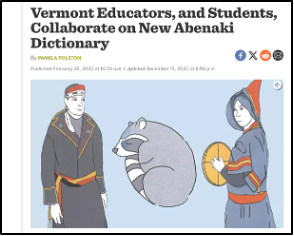
This online news article describes how N’Dakinna: An Illustrated Abenaki Dictionary for Schools was developed in a collaboration between a college-level writing teacher, Abenaki K–6 students, youth groups, and college students.
Keyword: language
Videos
Nulhegan Abenaki citizen Joe Bruchac describes in this 3-minute video the history of hunting, fishing, and trapping on traditional Abenaki lands and the activism that led to “fish-ins” and resulting legal action that restored many of these traditional rights.
Keywords: hunting and fishing, legal, governance, social justice
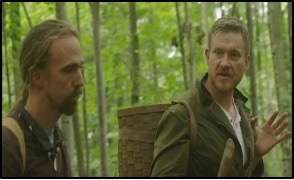
This 13-minute video episode of the PBS series Wild Foods explores the Indigenous food sources of the Abenaki of Vermont and the idea of the “forest garden.”
Keywords: cultural practices and lifeways, food
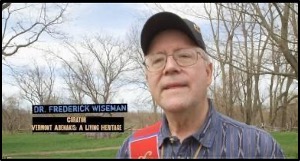
In this 7-minute video, author and curator Frederick M. Wiseman provides a timeline of 12,000 years of Indigenous history in Vermont, including the advent of agriculture about 1,000 years ago, interactions with the Europeans, the effect of eugenics, and recognition by the State of Vermont.
Keywords: continuity of culture, history
In this 2:19-minute video, an Abenaki potter describes her project to research historical Abenaki pottery and recreate them using local clay and traditional methods.
Keywords: art, cultural practices and lifeways, geography and natural resources
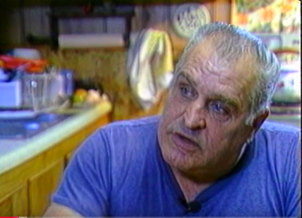
Chief Homer St. Francis and other Abenaki leaders are featured in this documentary video that highlights the Abenaki “fish-in” civil disobedience that led to increased fishing and hunting rights for Tribal members.
Teachers: Please review prior to screening for your class. Content includes use of tobacco, mention of firearms, and the issue of race.
Keywords: continuity of culture, history, hunting and fishing, legal, governance, social justice
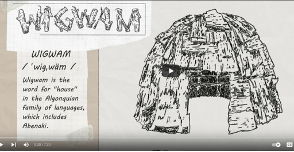
Wigwam is the Abenaki word for house. This 7-minute video describes a museum exhibit that featured construction of a traditional wigwam.
Keywords: cultural practices and lifeways, geography and natural resources, shelter
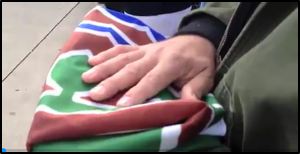
This 2-minute news video documents the ceremony when the Abenaki flag was first raised over the Missisquoi Valley Union High School in Vermont. Speakers include Jeff Benay, then Acting Chairman of the VT Commission on Native American Affairs; Brenda Gagne, Abenaki leader; and student drummers and singers.
Keywords: legal, governance, social justice
From Calumet to Crisis and Back — Part 2 (Circle of Courage, 2009a)
This two-part documentary video (15 minutes in total) from the Abenaki Circle of Courage youth group examines the sacred uses and misuses of tobacco, with a goal of reducing tobacco use among youths.
Keywords: continuity of culture, cultural practices and lifeways
Teachers: Please review before screening for your students. This video examines the sacred uses and the misuses of tobacco.
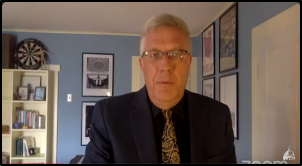
During a 2-hour-plus virtual meeting, Rep. Tom Stevens (Waterbury) of the Vermont House of Representatives discusses and votes on a resolution apologizing for state-sanctioned Eugenics policies of the early 1900s and how local Abenakis were affected.
Teachers: Please review prior to screening for your class. Content includes demeaning language used in the early 20th century.
Keywords: family, history, legal, governance, social justice
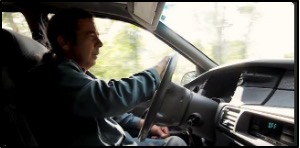
From the Indigenous Expressions Film Series, this video documents master ash basket maker Jesse Larocque; a trip to an ash grove; and explains how to choose a tree, prepare the splints from the wood, and weave a basket.
Keywords: art, cultural practices and lifeways

In this 9-minute video from the Indigenous Expressions Film Series, the late Abenaki Elder Elie Joubert (Odanak Abenaki) and Jesse Bruchac (Nulhegan Abenaki) work to preserve the endangered Abenaki language through teaching all ages.
Keyword: language
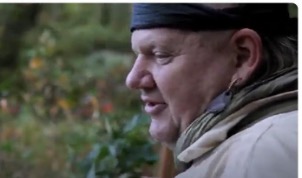
Another offering from the Indigenous Expressions Film Series, this 12-minute video depicts traditional Abenaki clothing, hunting, fishing, and drumming during an annual camping and re-enactment outing.
Keywords: clothing, continuity of culture, cultural practices and lifeways, history
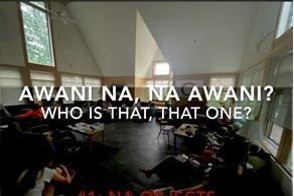
Written by Jesse Bruchac, this 5:14-minute song, performed at the 2023 Middlebury School of Abenaki, includes all the foundational patterns of the Abenaki language.
Keyword: language
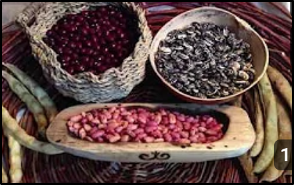
This 10-minute documentary features speakers John Hunt and Anna Marie Saucier on location at the Nulhegan Tribal Garden.
Keywords: cultural practices and lifeways, food
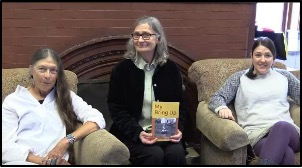
In this video, a librarian interviews author Chief Shirly Hook and illustrator Amy Hook-Therrien about their book My Bring Up.
Keywords: art, family, food, cultural practices and lifeways, history
In this video from Peregrine Productions, Chief Don Stevens tells the Abenaki story, explaining the origin of the Green Mountains of Vermont, the Adirondack Mountains, and Lake Champlain.
Keywords: cultural practices and lifeways
In a 2-minute video, viewers hear about the preservation of heirloom crops, see the garden where Abenaki food and ceremonial crops are grown for the tribe, and learn about the gardeners’ hopes for the future.
Keywords: cultural practices and lifeways, food
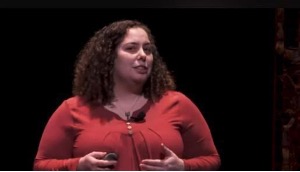
In an 9-minute TedXStowe Talk, Abenaki educator, activist, and artist Melody Walker Brook explains the cultural concept of “Seven Generations” and the challenges to her community.
Keywords: cultural practices and lifeways, family

In a You Tube video of under two minutes, young students at an independent school in Pennsylvania explain their understanding of the meaning of the word culture.
Keywords: cultural practices and lifeways
Other (Teacher Lending Kits, Interactives, and Games)
Field Trips

Burlington Airport Abenaki Display
Burlington, VT. (Brown, 2019)
Burlington, VT. (Ethan Allen Homestead Museum, 2025)
Vermont Abenaki Artists Association (current exhibit schedule)
Vergennes, VT. (Vermont Abenaki Artists Association, 2021)
Vermont History Museum Montpelier, VT. (Vermont Historical Society, 2025e)
The Research and Exhibition Gallery at the Vermont History Center, Barre, VT. (Vermont Historical Society, 2025c)
Keywords: art, cultural practices and lifeways, history
Teacher Lending Kits

The following locations have teaching kits containing cultural artifacts and/or cultural objects available for loan.
Bixby Memorial Free Library (Bixby Memorial Free Library, 2025)
Teacher’s Guides for the Vermont History Lending Kits at the Vermont Historical Society (Vermont Historical Society, 2025b)
Keywords: art, cultural practices and lifeways, history
Games

Abenaki Cultural Practices, Lifeways, and Natural Resources Card Game (Abenaki Arts & Education Center, 2025b)
Students can learn about Abenaki culture while using this beautifully illustrated and informative deck of cards. Challenge questions are included and the game is adaptable for all grades.
Available through the Abenaki Arts & Education Center. abenaki.education@gmail.com
Keywords: art, cultural practices and lifeways, geography and natural resources, shelter
State-Recognized Abenaki Tribes Websites
Located in northwestern Vermont, the Abenaki Nation of Missisquoi has the mission to “engage in efforts that will promote and sustain a strong, healthy, and united community for the citizens of the Abenaki Nation.” (Abenaki Nation of Missisquoi, 2025a)
Based along the Connecticut and West Rivers in southern Vermont, the Elnu Community is focused on maintaining cultural traditions, educating the public, and developing relationships with our neighbors. (Elnu Abenaki Tribe, 2025)
Koasek Traditional Band of the Koas Abenaki Nation
The Koasek of the Koas community spans the Connecticut River in northeast/central Vermont and northwest/central New Hampshire, with the mission to uplift the culture of the Abenaki people. (Koasek Traditional Band of the Koas Abenaki Nation, n.d.-b)
Nulhegan Band of the Coosuk Abenaki Nation
Located in the Northeast Kingdom of Vermont, the Nulhegan Abenaki Band’s mission is to strengthen their government, to build their community, ensure sustainability, and to protect their language, culture, and traditions. (Nulhegan Band of the Coosuk-Abenaki)
Abenaki Non-Profits and Non-Governmental Organizations

“The mission of the Abenaki Alliance is to foster a collective voice for the Abenaki communities of our homelands while building a strong, sustainable, and united presence that shares our Native heritage, culture, and values with those around us.” (Abenaki Alliance, n.d.)
Abenaki Arts and Education Center
“Whether you’re a teacher, curriculum specialist, or homeschooler, we are here to support your journey in bringing Abenaki culture and knowledge to life in your educational setting. Our mission is to empower educators and students by providing them with authentic Abenaki cultural experiences and resources that foster a deeper understanding and appreciation of Abenaki heritage.” (Abenaki Arts & Education Center, 2025g)
Abenaki Helping Abenaki, Inc. (AHA)
“AHA,” the 501(c)(3) non-profit organization of the Nulhegan Band provides educational resources for Nulhegan and other Native American students, “supplies community members with food and essentials in times of need,” and “is committed to educating Nulhegan Band citizens and other Native Americans on traditional, organic, agriculture and sustainable living.” (Nulhegan Band of the Coosuk-Abenaki Nation, 2025a)
The goal of this project is “to visibly honor and share a more inclusive history of the Abenaki people, to highlight historical Abenaki sites, and to accentuate the positive influences our ancestors had had with Colonial America and the towns we, as modern Abenaki, still live in today.” (Nulhegan Band of the Coosuk-Abenaki Nation, 2025b)

Alnôbaiwi is a non-profit organization dedicated to preserving, practicing, and teaching Abenaki tradition and history. (Alnôbaiwi, 2025)

“Atowi is a shared community initiative to affirm relationships with the Land and All of Our Relations, raise Native voices, and foster inclusion with understanding, in place.” “Through collaborations with other local entities, centered upon Wantastegok Mskodal (West River “Meadows”), the Project will provide a place-based center to engage with the broader community, while enhancing capacity and creating awareness for future dialogue.” (Atowi, 2025)
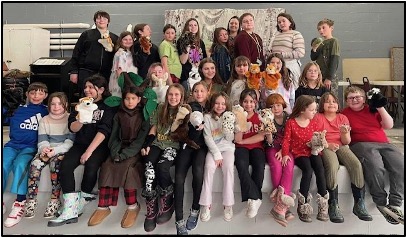
Abenaki Circle of Courage, Inc.
The Abenaki Circle of Courage, Inc. is an after-school program, now in its 31st year, which embraces strengths-based approaches in teaching Missisquoi traditional arts and crafts, dance, drumming, and Native language acquisition. Chief Brenda Gagne of Missisquoi is the program coordinator and she can be reached at circleofcourage@comcast.net. (Abenaki Circle of Courage, 2025)
Title VI Indian Education Consortium
The Missisquoi Title VI Indian Education Consortium serves public schools throughout Franklin-Grand Isle counties through holistic approaches that serve the developmental needs of young people in ways that promote student achievement, cultural awareness, and parent involvement. (Abenaki Nation of Missisquoi, 2025b) For further information, email Project Director Jeff Benay, Ed.D. at Jeff.benay@mvsdschools.org.
Nulhegan Title VI Indian Education serves the North Country, Orleans Central, and Caledonia Central Supervisory Unions, supporting student achievement, cultural awareness, and active community involvement. (Nulhegan Band of the Coosuk-Abenaki Nation, n.d.) For further information, email the Title VI Indian Education Coordinator Lucy Cannon-Neel at Nulhegannecc@gmail.com.
Vermont Abenaki Artists Association
“Vermont Abenaki Artists Association (VAAA) is a Native American arts organization that serves the public by connecting them to Abenaki educators, artists from the visual and performing arts as well as literary genres,” and “by presenting public programs, cultural events, and museum exhibitions that educate the public in understanding Abenaki art and culture.” (Vermont Abenaki Artists Association, 2017)
The White Pine Association, which is a 501(c)(3) educational nonprofit, supports the Koasek of the Koas in their mission to uplift the culture of the Abenaki peoples. (White Pine Association, 2025)
Teacher Training/Professional Development for Teachers
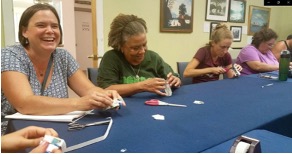
Presenting Abenaki Culture in the Classroom
This is an annual “15-week professional development course that provides teachers with a background on 13,000 years of Abenaki culture in the region.” The course is taught by scholars, artists, and Abenaki culture bearers. It is offered by the Abenaki Arts and Education Center and VAAA in partnership with Lake Champlain Maritime Museum. Graduate credit is available through the Vermont State University Center for Schools, Castleton Campus. (Lake Champlain Maritime Museum, n.d.)