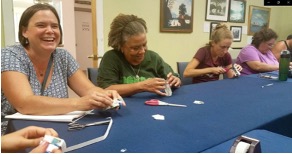
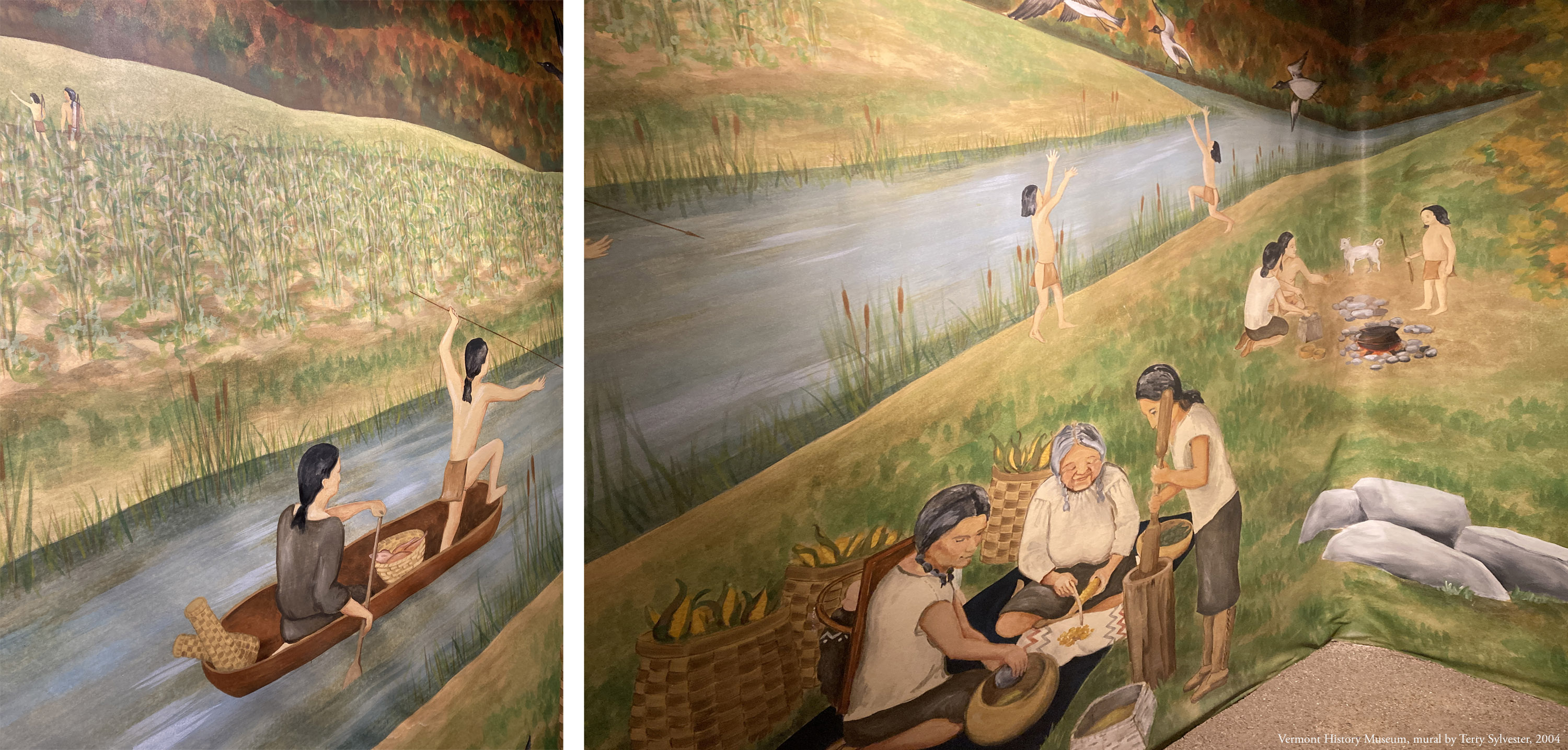
This Part 1 activity is required for successful completion of the Inquiry Design Model. The class brainstorms informed questions about how American Abenaki people have maintained their culture and identifies those questions they need to learn more about.
PART 2: Using Evidence to Construct Answers (ACTIVITY OPTIONS)
Using Sentence Stems and Sentence Frames
Students use a sentence-completion worksheet to reflect on their prior research and spark further discussion.
Using Peer Review Partners
Students respond to prompts about how American Abenaki people have maintained their culture over time. They draft Venn diagrams or write essays and get feedback from peers to revise their work.
Class Debrief and Record
Students do research and share claims and evidence about how American Abenaki have maintained their cultural identity. They assemble a class record to share resources they found particularly helpful.
Students are assigned different lifeways about which to gain knowledge. They meet in mixed groups to share what they have learned and then craft statements about how the Abenaki have adapted to their environment. (Social Psychology Network, 2025)
Give One, Get One
Students complete one section of a Give One, Get One chart about a particular Abenaki lifeway. Then, they move around the room to interact with their peers. Students “Give” their explanation and “Get” explanations from others until their chart is complete.
Writing Informational Text
Students use worksheets with writing prompts in the form of guiding questions.
Visual Arts Integration – Drawing Using Color
Students create an illustration of Abenaki lifeways, showing how they have changed over time.
The American Abenaki Curriculum: A Journey of History and Resilience aligns with multiple curriculum standards. Explore this page to learn more about alignment and learning scales.
Alignment to the Compelling Question
How have the Abenaki people survived and adapted to their environment for thousands of years?
Prioritized C3 Framework (Career, College, and Civic Life) Standards Assessed
Assessment Objective: Students will use what they have learned about Abenaki culture to explain the challenges that the Abenaki have faced and share examples from multiple sources (written narrative, artwork, photographs, etc.) of how the American Abenaki have survived and adapted.
D4.6.3-5 Draw on disciplinary concepts to explain the challenges people have faced and opportunities they have created, in addressing local, regional, and global problems at various times and places.
Beginning
Progressing
Proficient
Proficient with Distinction
I can share what I have learned about the American Abenaki people.
I can use what I have learned about the American Abenaki to explain the challenges that they have faced.
I can use what I have learned about the American Abenaki to explain the challenges that they have faced and how they have survived and adapted.
I can use what I have learned about the American Abenaki to explain, with specific examples, the challenges that they have faced and how they have survived and adapted.
D3.3.3-5. Identify evidence that draws information from multiple sources in response to compelling questions.
Beginning
Progressing
Proficient
Proficient with Distinction
I can share examples from one source to explain how the American Abenaki people have survived and adapted.
I can share examples from two different sources to explain how the American Abenaki have survived and adapted.
I can share examples from three different sources to explain how the American Abenaki have survived and adapted.
I can share examples from more than three different sources to explain how the American Abenaki have survived and adapted.
The Compelling Question can also support the following sampling of standards and guide educators when integrating the American Abenaki Curriculum with other content areas and grade levels.
Potential C3 Standards for Other Grade Bands
Grades K-2
D4.6.K-2. Identify and explain a range of local, regional, and global problems, and some ways in which people are trying to address these problems.
C3 Standard 3.3 begins in grades 3-5.
Grades 6–8
D4.6.6-8. Draw on multiple disciplinary lenses to analyze how a specific problem can manifest itself at local, regional, and global levels over time, identifying its characteristics and causes, and the challenges and opportunities faced by those trying to address the problem.
D3.3.6-8. Identify evidence that draws information from multiple sources to support claims, noting evidentiary limitations.
Grades 9–12
D4.6.9-12. Use disciplinary and interdisciplinary lenses to understand the characteristics and causes of local, regional, and global problems; instances of such problems in multiple contexts; and challenges and opportunities faced by those trying to address these problems over time and place.
D3.3.9-12. Identify evidence that draws information directly and substantively from multiple sources to detect inconsistencies in evidence in order to revise or strengthen claims.
Potential Alignment: International Society for Technology in Education (ISTE) Standards
Students
1.1.b. Build networks and customize their learning environments in ways that support the learning process.
Educators
2.1.c. Stay current with research that supports improved student learning outcomes, including findings from the learning sciences.
Education Leaders
3.3.d. Support educators in using technology to advance learning that meets the diverse learning, cultural, and social-emotional needs of individual students.
Potential Alignment: American Association of School Librarians (AASL) Standards
Learners
I.D.1. Learners participate in an ongoing inquiry-based process by: Continually seeking knowledge.
School Librarians
V.C.1. School librarians prepare learners to engage with the learning community by: Providing strategies for acting on curiosity about a topic of personal interest or curricular relevance.
School Libraries
V.C.3. The school library prepares learners to engage with a larger learning community by: Building and advocating for strong relationships with stakeholders who recognize and support an effective school library.
Alignment to Supporting Question 1 and Formative Assessments
How do geographic features and the environment affect the daily lives, cultural practices, and relationships of the Abenaki people?
C3 Framework (Career, College, and Civic Life) Standard Assessed
The following C3 standard aligns with all activities for Supporting Question 1.
D2.Geo.8.3-5. Explain how human settlements and movements relate to the locations and use of various natural resources.
Assessment Objective: Students can explain how geography impacts the cultural practices of the Abenaki and can document their learning in a variety of ways.
Beginning
Progressing
Proficient
Proficient with Distinction
I can describe some of the cultural practices of the Abenaki of Vermont.
I can explain how the cultural practices of the Abenaki in Vermont are impacted by geography or its natural resources.
I can explain how the cultural practices of the Abenaki in Vermont are impacted by geography and its natural resources.
I can explain, with specific examples, how the cultural practices of the Abenaki in Vermont are impacted by geography and its natural resources.
Supporting Question 1 can also be aligned to the following sampling of standards and guide educators when integrating the American Abenaki Curriculum with other content areas and grade levels.
Potential C3 Standards for Other Grade Bands
Grades K-2
D2.Geo.8.K-2. Compare how people in different types of communities use local and distant environments to meet their daily needs.
Grades 6-8
D2.Geo.8.6-8. Analyze how relationships between humans and environments extend or contract spatial patterns of settlement and movement.
Grades 9-12
D2.Geo.8.9-12. Evaluate the impact of economic activities and political decisions on spatial patterns within and among urban, suburban, and rural regions.
Potential Alignment: English Language Arts Standards
CCSS.ELA-Literacy.W.3.8. Recall information from experiences or gather information from print and digital sources; take brief notes on sources and sort evidence into provided categories.
CCSS.ELA-Literacy.SL.3.1.b. Follow agreed-upon rules for discussions (e.g., gaining the floor in respectful ways, listening to others with care, speaking one at a time about the topics and texts under discussion).
CCSS.ELA-Literacy.W.4.2.d. Use precise language and domain-specific vocabulary to inform about or explain the topic.
CCSS.ELA-Literacy.W.4.7. Conduct short research projects that build knowledge through investigation of different aspects of a topic.
CCSS.ELA-Literacy.SL.4.1.d. Review the key ideas expressed and explain their own ideas and understanding in light of the discussion.
CCSS.ELA-Literacy.W.5.2.b. Develop the topic with facts, definitions, concrete details, quotations, or other information and examples related to the topic.
CCSS.ELA-Literacy.W.5.7. Conduct short research projects that use several sources to build knowledge through investigation of different aspects of a topic.
CCSS.ELA-Literacy.SL.5.2. Summarize a written text read aloud or information presented in diverse media and formats, including visually, quantitatively, and orally.
Grades 6–8
CCSS.ELA-Literacy.RI.6.7. Integrate information presented in different media or formats (e.g., visually, quantitatively) as well as in words to develop a coherent understanding of a topic or issue.
CCSS.ELA-Literacy.SL.6.2. Interpret information presented in diverse media and formats (e.g., visually, quantitatively, orally) and explain how it contributes to a topic, text, or issue under study.
CCSS.ELA-Literacy.SL.7.1.d.Acknowledge new information expressed by others and, when warranted, modify their own views.
CCSS.ELA-Literacy.W.7.2.d. Use precise language and domain-specific vocabulary to inform about or explain the topic.
CCSS.ELA-Literacy.W.8.2.b. Develop the topic with relevant, well-chosen facts, definitions, concrete details, quotations, or other information and examples.
CCSS.ELA-Literacy.W.8.7.Conduct short research projects to answer a question (including a self-generated question), drawing on several sources and generating additional related, focused questions that allow for multiple avenues of exploration.
CCSS.ELA-Literacy.SL.8.1.b. Follow rules for collegial discussions and decision-making, track progress toward specific goals and deadlines, and define individual roles as needed.
Grades 9–12
CCSS.ELA-Literacy.W.9-10.2.e. Establish and maintain a formal style and objective tone while attending to the norms and conventions of the discipline in which they are writing.
CCSS.ELA-Literacy.SL.9-10.1. Initiate and participate effectively in a range of collaborative discussions (one-on-one, in groups, and teacher-led) with diverse partners on grades 9-10 topics, texts, and issues, building on others’ ideas and expressing their own clearly and persuasively.
CCSS.ELA-Literacy.SL.9-10.2. Integrate multiple sources of information presented in diverse media or formats (e.g., visually, quantitatively, orally) evaluating the credibility and accuracy of each source.
CCSS.ELA-Literacy.W.11-12.2.b. Develop the topic thoroughly by selecting the most significant and relevant facts, extended definitions, concrete details, quotations, or other information and examples appropriate to the audience’s knowledge of the topic.
CCSS.ELA-Literacy.SL.11-12.1.a. Come to discussions prepared, having read and researched material under study; explicitly draw on that preparation by referring to evidence from texts and other research on the topic or issue to stimulate a thoughtful, well-reasoned exchange of ideas.
Potential Alignment: International Society for Technology in Education (ISTE) Standards
Students
1.2.b. Demonstrate empathetic, inclusive interactions online and use technology to responsibly contribute to their communities.
Educators
2.4.d. Demonstrate cultural competency when communicating with students, parents and colleagues and interact with them as co-collaborators in student learning.
Education Leaders
3.5.d. Develop the skills needed to lead and navigate change, advance systems and promote a mindset of continuous improvement for how technology can improve learning.
Potential Alignment: American Association of School Librarians (AASL) Standards
Learners
V.A.2. Learners develop and satisfy personal curiosity by: Reflecting and questioning assumptions and possible misconceptions.
School Librarians
V.C.2. School librarians prepare learners to engage with the learning community by: Assisting learners to co-construct innovative means of investigation.
School Libraries
V.B.3. The school library facilitates construction of new knowledge by: Establishing and maintaining a learning environment conducive to independent and collaborative exploration and problem solving.
Potential Alignment: National Core Arts Standards for Visual Arts
Grades 3–5
VA:Cr2.2.5a. Demonstrate quality craftsmanship through care for and use of materials, tools, and equipment.
VA:Cr2.3.3a. Individually or collaboratively construct representations, diagrams, or maps of places that are part of everyday life.
VA:Cr2.3.4a. Document, describe, and represent regional constructed environments.
Middle School
VA:CR2.1.6a. Demonstrate openness in trying new ideas, materials, methods, and approaches in making works of art and design.
VA:CR2.3.7a. Apply visual organizational strategies to design and produce a work of art, design, or media that clearly communicates information or ideas
VA:CR3.1.8a. Apply relevant criteria to examine, reflect on, and plan revisions for a work of art or design in progress.
High School (Proficient level)
VA:Cr1.1.Ia. Use multiple approaches to begin creative endeavors.
VA:Re.7.2.Ia. Analyze how one’s understanding of the world is affected by experiencing visual imagery.
Alignment to Supporting Question 2 and Formative Assessments
What are some examples of significant Abenaki lifeways (food, clothing, shelter, and arts), and how have the Abenaki people adapted these lifeways to their environment?
C3 Framework (Career, College, and Civic Life) Standard Assessed
The following C3 standard aligns with all activities for Supporting Question 2.
D2.Geo.4.3-5. Explain how culture influences the way people modify and adapt to their environments.
Assessment Objective: Students can explain how Abenaki lifeways are adapted to their environment, can document their learning in a variety of ways, and communicate observations in written or spoken form.
Beginning
Progressing
Proficient
Proficient with Distinction
I can describe Abenaki lifeways (food, shelter, arts, and clothing).
I can explain how Abenaki lifeways (food, shelter, arts, or clothing) show how the Abenaki people have adapted to their environment.
I can explain how Abenaki lifeways (food, shelter, arts, and clothing) show how the Abenaki people have adapted to their environment.
I can explain, with specific examples, how Abenaki lifeways (food, shelter, arts, and clothing) show how the Abenaki people have adapted to their environment.
Supporting Question 2 can also be aligned to the following sampling of standards and guide educators when integrating the American Abenaki Curriculum with other content areas and grade levels.
Potential C3 Standards for Other Grade Bands
Grades K-2
D2.Geo.4.K-2. Explain how weather, climate, and other environmental characteristics affect people’s lives in a place or region.
Grades 6-8
D2.Geo.4.6-8. Explain how cultural patterns and economic decisions influence environments and the daily lives of people in both nearby and distant places.
Grades 9-12
D2.Geo.4.9-12. Analyze relationships and interactions within and between human and physical systems to explain reciprocal influences that occur among them.
Potential Alignment: English Language Arts Standards
Grades 3–5
CCSS.ELA-Literacy.SL.3.1.c. Ask questions to check understanding of information presented, stay on topic, and link their comments to the remarks of others.
CCSS.ELA-Literacy.SL.3.4. Report on a topic or text, tell a story, or recount an experience with appropriate facts and relevant, descriptive details, speaking clearly at an understandable pace.
CCSS.ELA-Literacy.W.4.2.d. Use precise language and domain-specific vocabulary to inform about or explain the topic.
CCSS.ELA-Literacy.SL.4.1.d. Review the key ideas expressed and explain their own ideas and understanding in light of the discussion.
CCSS.ELA-Literacy.W.5.2.c. Link ideas within and across categories of information using words, phrases, and clauses (e.g., in contrast, especially).
CCSS.ELA-Literacy.SL.5.1.a. Come to discussions prepared, having read or studied required material; explicitly draw on that preparation and other information known about the topic to explore ideas under discussion.
CCSS.ELA-Literacy.SL.6.1. Engage effectively in a range of collaborative discussions (one-on-one, in groups, and teacher-led) with diverse partners on grade 6 topics, texts, and issues, building on others’ ideas and expressing their own clearly.
CCSS.ELA-Literacy.W.7.1.b. Support claim(s) with logical reasoning and relevant evidence, using accurate, credible sources and demonstrating an understanding of the topic or text.
CCSS.ELA-Literacy.SL.7.1.b. Follow rules for collegial discussions, track progress toward specific goals and deadlines, and define individual roles as needed.
CCSS.ELA-Literacy.L.7.3. Use knowledge of language and its conventions when writing, speaking, reading, or listening.
CCSS.ELA-Literacy.W.8.1.c. Use words, phrases, and clauses to create cohesion and clarify the relationships among claim(s), counterclaims, reasons, and evidence.
CCSS.ELA-Literacy.W.8.7. Conduct short research projects to answer a question (including a self-generated question), drawing on several sources and generating additional related, focused questions that allow for multiple avenues of exploration.
CCSS.ELA-Literacy.SL.8.1.a. Come to discussions prepared, having read or researched material under study; explicitly draw on that preparation by referring to evidence on the topic, text, or issue to probe and reflect on ideas under discussion.
Grades 9–12
CCSS.ELA-Literacy.W.9-10.1. Write arguments to support claims in an analysis of substantive topics or texts, using valid reasoning and relevant and sufficient evidence.
CCSS.ELA-Literacy.W.9-10.9. Draw evidence from literary or informational texts to support analysis, reflection, and research.
CCSS.ELA-Literacy.SL.9-10.1.d. Respond thoughtfully to diverse perspectives, summarize points of agreement and disagreement, and, when warranted, qualify or justify their own views and understanding and make new connections in light of the evidence and reasoning presented.
CCSS.ELA-Literacy.W.11-12.1.d. Establish and maintain a formal style and objective tone while attending to the norms and conventions of the discipline in which they are writing.
CCSS.ELA-Literacy.SL.11-12.1.b. Work with peers to promote civil, democratic discussions and decision-making, set clear goals and deadlines, and establish individual roles as needed.
CCSS.ELA-Literacy.SL.11-12.4. Present information, findings, and supporting evidence, conveying a clear and distinct perspective, such that listeners can follow the line of reasoning, alternative or opposing perspectives are addressed, and the organization, development, substance, and style are appropriate to purpose, audience, and a range of formal and informal tasks.
Potential Alignment: International Society for Technology in Education (ISTE) Standards
Students
1.3.d. Build knowledge by actively exploring real world issues and problems, developing ideas and theories and pursuing answers and solutions.
Educators
2.2.c. Model for colleagues the identification, experimentation, evaluation, curation and adoption of new digital resources and tools for learning.
Education Leaders
3.1.d. Model the safe, ethical, and legal use of technology and the critical examination of digital content.
Potential Alignment: American Association of School Librarians (AASL) Standards
Learners
VI.D.2. Learners engage with information to extend personal learning by: Reflecting on the process of ethical generation of knowledge.
School Librarians
IV.D.2. School librarians show learners how to select and organize information for a variety of audiences by: Formulating tasks that help learners to integrate and depict in a conceptual knowledge network learners’ understanding gained from resources.
School Libraries
IV.D.4. The school library engages the learning community in exploring resources by: Using local and external data to inform ongoing adjustments to the scope of the resource collection, and its audiences, formats, and applications.
Potential Alignment: National Core Arts Standards for Visual Arts
Grade 3
VA:Cr3.1.3a. Elaborate visual information by adding details in an artwork to enhance emerging meaning.
Grade 4
VA:Cr2.3.4a. Document, describe, and represent regional constructed environments.
Grade 5
VACr2.2.5a. Demonstrate quality craftsmanship through care for and use of materials, tools, and equipment.
Alignment to Supporting Question 3 and Formative Assessments
How have the American Abenaki people demonstrated resilience and resourcefulness in maintaining their culture from colonial times to today?
C3 Framework (Career, College, and Civic Life) Standard Assessed
The following C3 standards align with all activities for Supporting Question 3.
D2.His.3.3-5. Generate questions about individuals and groups who have shaped significant historical changes and continuities.
Assessment Objective: Students can ask and answer informed questions and write about how the American Abenaki people have maintained their cultural identity.
Beginning
Progressing
Proficient
Proficient with Distinction
I can create and ask an informed question about the American Abenaki people.
I can create and ask an informed question about how the American Abenaki have maintained their cultural identity over time.
I can create and ask an informed question about how the American Abenaki have maintained their cultural identity over time. I can accurately answer a question about how the Abenaki have maintained their culture over time.
I can create and ask informed questions about how the American Abenaki have maintained their cultural identity over time. I can accurately answer questions about how the American Abenaki have maintained their culture over time.
Supporting Question 3 can also be aligned to the following sampling of standards and guide educators when integrating the American Abenaki Curriculum with other content areas and grade levels.
Potential C3 Standards for Other Grade Bands
Grades K–2
D2.His.3.K-2. Generate questions about individuals and groups who have shaped a significant historical change.
Grades 6–8
D2.His.3.6-8. Use questions generated about individuals and groups to analyze why they, and the developments they shaped, are seen as historically significant.
Grades 9–12
D2.His.3.9-12.Use questions generated about individuals and groups to assess how the significance of their actions changes over time and is shaped by the historical context.
Potential Alignment: English Language Arts Standards
Grades 3–5
CCSS.ELA-Literacy.W.3.5.With guidance and support from peers and adults, develop and strengthen writing as needed by planning, revising, and editing.
CCSS.ELA-Literacy.SL.3.1.a. Come to discussions prepared, having read or studied required material; explicitly draw on that preparation and other information known about the topic to explore ideas under discussion.
CCSS.ELA-Literacy.SL.3.1.b.Follow agreed-upon rules for discussions (e.g., gaining the floor in respectful ways, listening to others with care, speaking one at a time about the topics and texts under discussion).
CCSS.ELA-Literacy.SL.4.1.c. Pose and respond to specific questions to clarify or follow up on information, and make comments that contribute to the discussion and link to the remarks of others.
CCSS.ELA-Literacy.W.4.4. Produce clear and coherent writing in which the development and organization are appropriate to task, purpose, and audience.
CCSS.ELA-Literacy.SL.5.1.c. Pose and respond to specific questions by making comments that contribute to the discussion and elaborate on the remarks of others.
CCSS.ELA-Literacy.SL.5.6. Adapt speech to a variety of contexts and tasks, using formal English when appropriate to task and situation.
CCSS.ELA-Literacy.W.5.5. With guidance and support from peers and adults, develop and strengthen writing as needed by planning, revising, editing, rewriting, or trying a new approach.
Grades 6–8
CCSS.ELA-Literacy.W.6.2. Write informative/explanatory texts to examine a topic and convey ideas, concepts, and information through the selection, organization, and analysis of relevant content.
CCSS.ELA-Literacy.SL.6.1. Engage effectively in a range of collaborative discussions (one-on-one, in groups, and teacher-led) with diverse partners on grade 6 topics, texts, and issues, building on others’ ideas and expressing their own clearly.
CCSS.ELA-Literacy.SL.6.1.b. Follow rules for collegial discussions, set specific goals and deadlines, and define individual roles as needed.
CCSS.ELA-Literacy.SL.7.1.d. Acknowledge new information expressed by others and, when warranted, modify their own views.
CCSS.ELA-Literacy.SL.7.2. Analyze the main ideas and supporting details presented in diverse media and formats (e.g., visually, quantitatively, orally) and explain how the ideas clarify a topic, text, or issue under study.
CCSS.ELA-Literacy.SL.7.6. Adapt speech to a variety of contexts and tasks, demonstrating command of formal English when indicated or appropriate.
CCSS.ELA-Literacy.W.8.9. Draw evidence from literary or informational texts to support analysis, reflection, and research.
CCSS.ELA-Literacy.SL.8.1.b. Follow rules for collegial discussions and decision-making, track progress toward specific goals and deadlines, and define individual roles as needed.
Grades 9–12
CCSS.ELA-Literacy.SL.9-10.1. Initiate and participate effectively in a range of collaborative discussions (one-on-one, in groups, and teacher-led) with diverse partners on grades 9–10 topics, texts, and issues, building on others’ ideas and expressing their own clearly and persuasively.
CCSS.ELA-Literacy.SL.9-10.1.a. Come to discussions prepared, having read and researched material under study; explicitly draw on that preparation by referring to evidence from texts and other research on the topic or issue to stimulate a thoughtful, well-reasoned exchange of ideas.
CCSS.ELA-Literacy.SL.9-10.1.c. Propel conversations by posing and responding to questions that relate the current discussion to broader themes or larger ideas; actively incorporate others into the discussion; and clarify, verify, or challenge ideas and conclusions.
CCSS.ELA-Literacy.RI.11-12.7. Integrate and evaluate multiple sources of information presented in different media or formats (e.g., visually, quantitatively) as well as in words in order to address a question or solve a problem.
CCSS.ELA-Literacy.W.11-12.1. Write arguments to support claims in an analysis of substantive topics or texts, using valid reasoning and relevant and sufficient evidence.
CCSS.ELA-Literacy.SL.11-12.1.a. Come to discussions prepared, having read and researched material under study; explicitly draw on that preparation by referring to evidence from texts and other research on the topic or issue to stimulate a thoughtful, well-reasoned exchange of ideas.
Potential Alignment: International Society for Technology in Education (ISTE) Standards
Students
1.3.b. Evaluate the accuracy, validity, bias, origin, and relevance of digital content.
1.6.a. Choose the appropriate platforms and digital tools for meeting the desired objectives of their creation or communication.
Educators
2.3.a. Create experiences for learners to make positive, socially responsible contributions and build inclusive communities online.
2.5.c. Apply evidence-based instructional design principles to create innovative and equitable digital learning environments that support learning.
2.6.a. Foster a culture where students take ownership of their learning goals and outcomes in both independent and group settings.
Educational Leaders
3.1.c. Model the use of technology in inclusive, healthy ways to solve problems and strengthen community.
3.2.c. Evaluate progress on the strategic plan, make course corrections, measure impact and scale effective approaches for using technology to transform learning.
3.2.e. Share lessons learned, best practices, challenges and the impact of learning with technology with other education leaders who want to learn from this work.
Potential Alignment: American Association of School Librarians (AASL) Standards
Learners
I.D.1. Enacting new understanding through real-world connections.
V.A.3. Engaging in inquiry-based processes for personal growth.
VI.B.2. Acknowledging authorship and demonstrating respect for the intellectual property of others.
School Librarians
I.C.1 School librarians guide learners to maintain focus throughout the inquiry process by:Assisting in assessing the inquiry-based research process.
VI.D.3. School librarians support learners’ engagement with information to extend personal learning by: Championing and modeling safe, responsible, ethical, and legal information behaviors.
School Libraries
I.D.2. The school library ensures an inquiry based process for learners by: Reinforcing the role of the school library, information and technology resources in maximizing learning and institutional effectiveness.
VI.A.1. The school serves as a context in which the school librarian ensures that the school community is aware of the guidelines for safe, ethical, and legal use of information by: Educating the school community on the ethical use of information and the intellectual property of others.
Alignment for the Summative Performance Task
Compelling Question: How have the Abenaki people survived and adapted to their environment for thousands of years?
The summative assessment aligns with C3 standards D4.6.3-5 and D3.3.3-5, the Compelling Question for the Inquiry, and the accompanying learning scales.
Prioritized C3 Framework (Career, College, and Civic Life) Standards Assessed
Assessment Objective: Students will use what they have learned about Abenaki culture to explain challenges that the Abenaki have faced and share examples from multiple sources (written narrative, artwork, photographs, etc.) of how the American Abenaki have survived and adapted.
D4.6.3-5. Draw on disciplinary concepts to explain the challenges people have faced and opportunities they have created, in addressing local, regional, and global problems at various times and places.
Beginning
Progressing
Proficient
Proficient with Distinction
I can share what I have learned about the American Abenaki people.
I can use what I have learned about the American Abenaki to explain the challenges that they have faced.
I can use what I have learned about the American Abenaki to explain the challenges that they have faced and how they have survived and adapted.
I can use what I have learned about the American Abenaki to explain, with specific examples, the challenges that they have faced and how they have survived and adapted.
D3.3.3-5. Identify evidence that draws information from multiple sources in response to compelling questions.
Beginning
Progressing
Proficient
Proficient with Distinction
I can share examples from one source to explain how the American Abenaki people have survived and adapted.
I can share examples from two different sources to explain how the American Abenaki have survived and adapted.
I can share examples from three different sources to explain how the American Abenaki have survived and adapted.
I can share examples from more than three different sources to explain how the American Abenaki have survived and adapted.
The Summative Assessment can be connected to the following sampling of standards that can serve as a starting point for integrating the American Abenaki Curriculum with other content areas and grade levels.
Potential C3 Standards for Other Grade Bands
Grades K-2
D4.6.K-2. Identify and explain a range of local, regional, and global problems, and some ways in which people are trying to address these problems.
C3 Standard 3.3 begins in grades 3-5.
Grades 6-8
D4.6.6-8. Draw on multiple disciplinary lenses to analyze how a specific problem can manifest itself at local, regional, and global levels over time, identifying its characteristics and causes, and the challenges and opportunities faced by those trying to address the problem.
D3.3.6-8. Identify evidence that draws information from multiple sources to support claims, noting evidentiary limitations.
Grades 9-12
D4.6.9-12. Use disciplinary and interdisciplinary lenses to understand the characteristics and causes of local, regional, and global problems; instances of such problems in multiple contexts; and challenges and opportunities faced by those trying to address these problems over time and place.
D3.3.9-12. Identify evidence that draws information directly and substantively from multiple sources to detect inconsistencies in evidence in order to revise or strengthen claims.
Potential Alignment: English Language Arts Standards
Grades 3–5
CCSS.ELA-Literacy.W.3.8. Recall information from experiences or gather information from print and digital sources; take brief notes on sources and sort evidence into provided categories.
CCSS.ELA-Literacy.SL.3.1. Engage effectively in a range of collaborative discussions (one-on-one, in groups, and teacher-led) with diverse partners on grade 3 topics and texts, building on others’ ideas and expressing their own clearly.
CCSS.ELA-Literacy.SL.3.6. Speak in complete sentences when appropriate to task and situation in order to provide requested detail or clarification.
CCSS.ELA-Literacy.W.4.7. Conduct short research projects that build knowledge through investigation of different aspects of a topic.
CCSS.ELA-Literacy.SL.4.4. Report on a topic or text, tell a story, or recount an experience in an organized manner, using appropriate facts and relevant, descriptive details to support main ideas or themes; speak clearly at an understandable pace.
CCSS.ELA-Literacy.W.5.7. Conduct short research projects that use several sources to build knowledge through investigation of different aspects of a topic.
CCSS.ELA-Literacy.SL.5.5. Include multimedia components (e.g., graphics, sound) and visual displays in presentations when appropriate to enhance the development of main ideas or themes.
Grades 6–8
CCSS.ELA-Literacy.W.6.1.b. Support claim(s) with clear reasons and relevant evidence, using credible sources and demonstrating an understanding of the topic or text.
CCSS.ELA-Literacy.SL.6.2. Interpret information presented in diverse media and formats (e.g., visually, quantitatively, orally) and explain how it contributes to a topic, text, or issue under study.
CCSS.ELA-Literacy.RI.6.7. Integrate information presented in different media or formats (e.g., visually, quantitatively) as well as in words to develop a coherent understanding of a topic or issue.
CCSS.ELA-Literacy.W.7.1.b. Support claim(s) with logical reasoning and relevant evidence, using accurate, credible sources and demonstrating an understanding of the topic or text.
CCSS.ELA-Literacy.SL.7.6. Adapt speech to a variety of contexts and tasks, demonstrating command of formal English when indicated or appropriate.
CCSS.ELA-Literacy.W.8.1. Write arguments to support claims with clear reasons and relevant evidence.
CCSS.ELA-Literacy.SL.8.4. Present claims and findings, emphasizing salient points in a focused, coherent manner with relevant evidence, sound valid reasoning, and well-chosen details; use appropriate eye contact, adequate volume, and clear pronunciation.
Grades 9–12
CCSS.ELA-Literacy.W.9-10.1. Write arguments to support claims in an analysis of substantive topics or texts, using valid reasoning and relevant and sufficient evidence.
CCSS.ELA-Literacy.SL.9-10.2. Integrate multiple sources of information presented in diverse media or formats (e.g., visually, quantitatively, orally) evaluating the credibility and accuracy of each source.
CCSS.ELA-Literacy.W.11-12.1. Write arguments to support claims in an analysis of substantive topics or texts, using valid reasoning and relevant and sufficient evidence.
CCSS.ELA-Literacy.SL.11-12.4.Present information, findings, and supporting evidence, conveying a clear and distinct perspective, such that listeners can follow the line of reasoning, alternative or opposing perspectives are addressed, and the organization, development, substance, and style are appropriate to purpose, audience, and a range of formal and informal tasks.
Potential Alignment: International Society for Technology in Education (ISTE) Standards
Students
1.6.a. Choose the appropriate platforms and digital tools for meeting the desired objectives of their creation or communication.
How have the Abenaki people survived and adapted to their environment for thousands of years?
Assessment Objective
Students will use what they have learned about Abenaki culture to explain the challenges that the Abenaki have faced and share examples from multiple sources (written narrative, artwork, photographs, etc.) of how the American Abenaki have survived and adapted.
This introductory activity is designed to create student interest in the topic, elicit prior knowledge, and set the trajectory for their learning journey using an inquiry-based Visual Thinking Strategy (VTS). VTS was originally developed by Abigail Housen (cognitive psychologist) and Philip Yenawine (Visual Thinking Strategies, 2025).
By the end of this activity, students should understand the following facts about the American Abenaki people:
Some Abenaki people live in the State of Vermont. They continue to do some of the same activities as their ancestors (e.g., fishing).
They are citizens of four State-Recognized Tribes. (Students will learn the names of the Tribes as you progress through the curriculum.)
The staging activity may not give immediate answers to the Compelling Question, but it should create interest.
Guidance for Staging the Compelling Question.
Click + to view activity guidance. Click – to close the box when done.
Visual Thinking Strategy
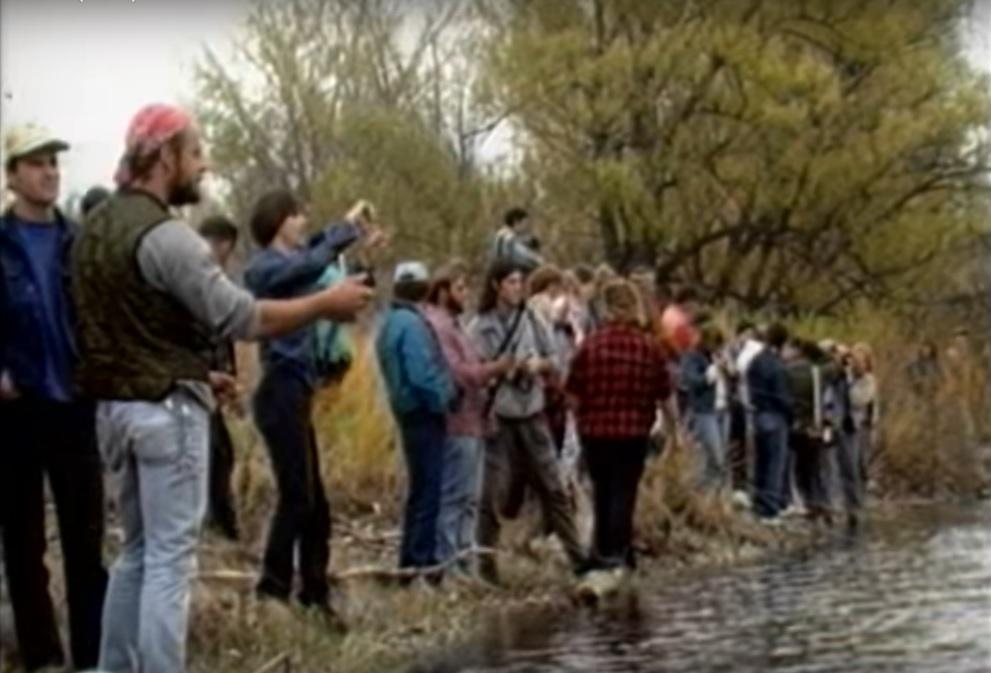
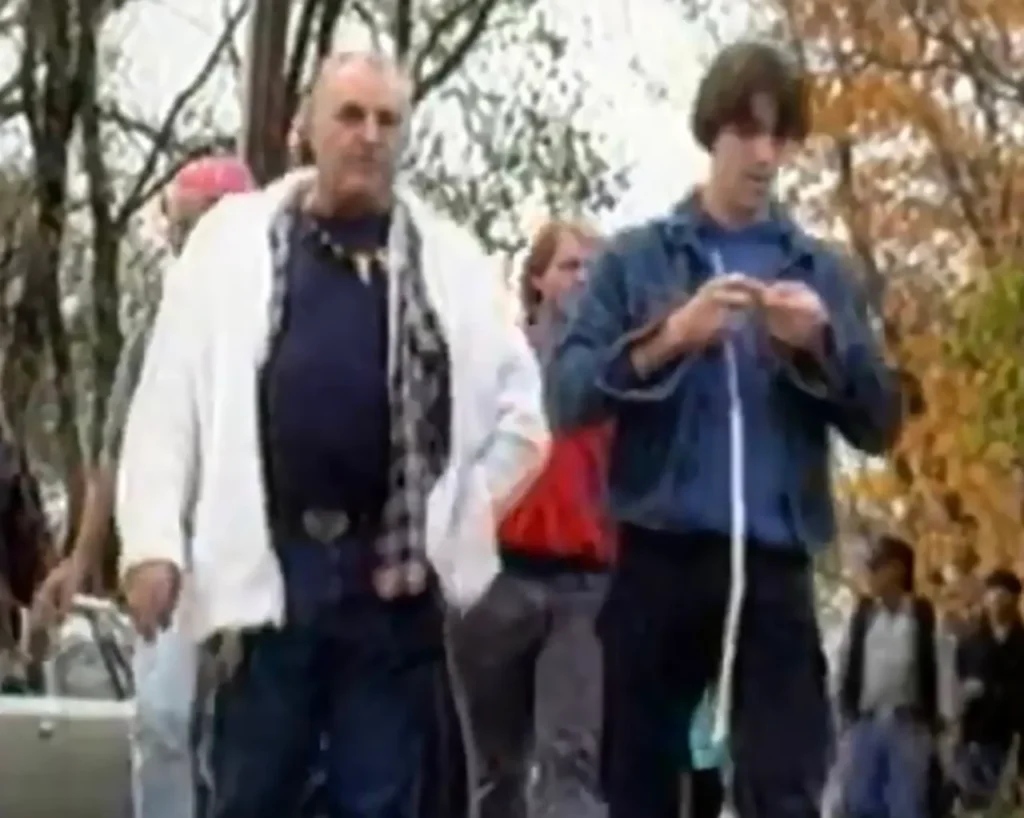
Share the following image of modern-looking Abenaki people. Have students observe the image closely and ask them the following questions:
“What is going on in this picture?”
“What do you see that makes you say that?”
“What more can we find?” (Saxton, 2025)
Have students share their observations using evidence from the picture to formulate their responses.
For more information, visit Visual Thinking Strategy, Miami Dade College.
“The Abenakis of Vermont. 1987.” robinbirkw. YouTube. 2009.
Sample Student Responses
People are fishing.
People are taking pictures.
People are watching.
People are talking to each other.
Lots of people are standing by a river. Some of them are very close to the water.
Most of them look like grown-ups and I cannot see any kids or old people.
Generating Curiosity
After using the initial Visual Thinking Strategy, generate curiosity by encouraging students to ask follow-up questions. Use instructional language you may be familiar with from other content areas, such as “What do you notice?” or “What do you wonder?” Record students’ questions and wonderings so that you can revisit them periodically to see if they can answer the Compelling Question based on their work with the resources, discussions, writing, and other activities. Consider using the Technology Extension suggested below.
The photograph provided may limit what students say, and that is to be expected. Teachers can provide a little more context to invite more meaningful observations and make crafting questions easier. It may also be helpful to have a bank of images, as suggested in the Visual Thinking Extension below, for information you can share with your students, recognizing that it can be tricky to strike a balance and not provide too much content so your students maintain their curiosity.
Students May Wonder
How did Missisquoi River get its name?
How did the Missisquoi Tribe get their name?
Are the Missisquoi people named after the river?
Are the four State-Recognized Tribes the only ones, or are there more that didn’t get recognized?
Why are Abenaki people getting tickets for fishing in their homeland?
Technology Extension
Create a Padlet or other digital collaborative document for students to use to share their observations, questions, and other information with each other.
Visual Thinking Extension
You can create a bank of images of fishing licenses, people fishing, peaceful protests, news cameras, and game wardens as supplementary content. In a follow-up session, prompt students to sort the images, share with the class, and explain their thinking.
Historical Context: Compelling Question
The following information comes from the “Deep Roots, Strong Branches” traveling exhibition, Vermont Abenaki Artists Association, curated by Vera Longtoe Sheehan (2025e). Share as much or as little with your students as needed for them to understand the context of the photo below and why it is significant.
Photo Credit: “The Abenaki of Vermont. 1987” robinbirkw. YouTube. 2009. Photos of the fish-in protest may appear blurry or grainy because of limitations of the photography and video technologies that were used at the event in 1987. In this photo, Abenaki people wearing modern clothing are gathered along the banks of the Missisquoi River in…
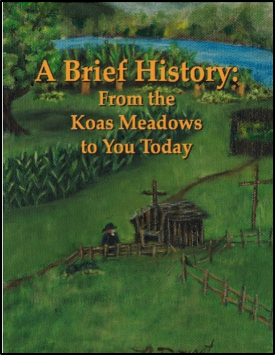
Daily Life of the Koasek Abenakifrom ABrief History: From Koasek Meadows to You Today[Booklet—see pages 7-10] (Koasek Traditional Band of the Koas Abenaki Nation, n.d.-a)
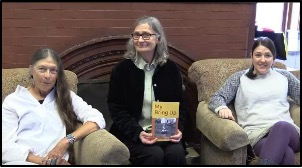
My Bring Up [Book—156 pages, free Reading with Kindle Unlimited] (Hook, 2019) [Teachers: The reading level is grade 4 and up; choose chapters to read aloud for younger students.]
x
X
X
X
Natural Resources, Vermont Agency of Natural Resources website [Online article and photographs] (Department of Environmental Conservation, 2025)
My Bring Up [Book—156 pages, free Reading with Kindle Unlimited] (Hook, 2019) [Teachers: The reading level is grade 4 and up; choose chapters to read aloud for younger students.]
My Bring Up [Book—156 pages, free Reading with Kindle Unlimited] (Hook, 2019) [Teachers: The reading level is grade 4 and up; choose chapters to read aloud for younger students.]
Famous Abenaki[Online reading] (Elnu Abenaki Tribe, 2023)
X
House Session: Wed., March 31, 2021 at 1:15 p.m.[Video—2 hours and 25 minutes) (Vermont House of Representatives, 2021) [Teachers: Please review prior to screening for your class. Content includes demeaning language used in the early 20th century.]
The Abenakis of Vermont (1987) [Video—10:14 min.] (robinbirkw, 2009) [Teachers: Please review prior to screening for your class. Content includes use of tobacco, mention of firearms, and the issue of race.]
The Abenakis of Vermont (1987) [Video—10:14 min.] (robinbirkw, 2009) [Teachers: Please review prior to screening for your class. Content includes use of tobacco, mention of firearms, and the issue of race.]
House Session: Wed., March 31, 2021 at 1:15 p.m.[Video—2 hours and 25 minutes] (Vermont House of Representatives, 2021) [Teachers:This video, from the State of Vermont, explains the state-sanctioned Eugenics movement of the early 1900s and how local Abenakis were affected.]
The Abenakis of Vermont (1987) [Video—10:14 min.] (robinbirkw, 2009) [Teachers: Please review prior to screening for your class. Content includes use of tobacco, mention of firearms, and the issue of race.]
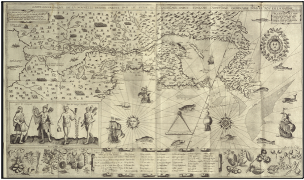
Made by Samuel de Champlain in 1612, the title of this map is “Carte geographique de la Nouvelle Franse faictte par le sieur de Champlain Saint ongois cappitaine ordinaire pour le roy en la marine. Faict l’en 1612.” The map includes drawings of North American plants used for food.
Keywords: clothing, cultural practices and lifeways, food, hunting and fishing, geography, natural resources
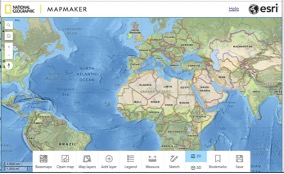
This free online mapping tool from National Geographic Society and Esri is intended for use by K–12 teachers and students. Students can build their own 2D or 3D maps and practice mapping skills using provided geographic, Earth Science, environmental, and political data.
This interactive world map allows users to rotate the globe and to see the locations of Native lands, languages, and treaties. The zoom feature allows them to view a local map after using the address search tool. This interactive is suitable for all students who are familiar with world maps.
A Teacher’s Guide offering instruction on how to use the website is available.
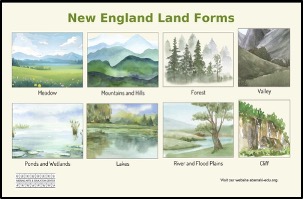
This poster shows paintings of eight typical landforms and provides visual references for students when they discuss the effects of geographic features on Abenaki lifeways.
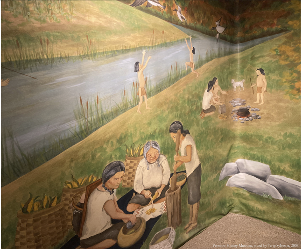
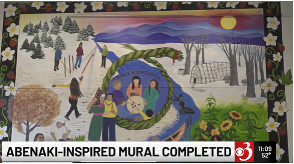
This news article, with accompanying 3-minute video, profiles some of the Abenaki artists who worked on a mural about Abenaki life for the Montpelier Transit Center.
Keywords: clothing, cultural practices and lifeways, food, hunting and fishing, natural resources
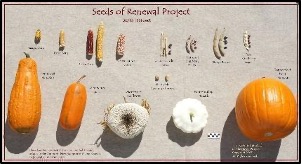
This poster, with photos of traditional crops (corn, beans, and squash) from the 2013 harvest was produced by Frederick M. Wiseman, Ph.D. for the Haven Project.
Keywords: continuity of culture, food
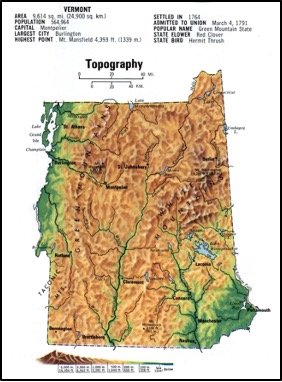
Vermont Topography (Vermont Topography Terrain Map Topographic State Large Scale Free Detailed Landscape, 2025)
This free online map shows elevation in meters and feet with a key, bodies of water, cities, total area, total population, and other data.
Keywords: geography, natural resources
Text-based Materials (articles, books, booklets, and news)
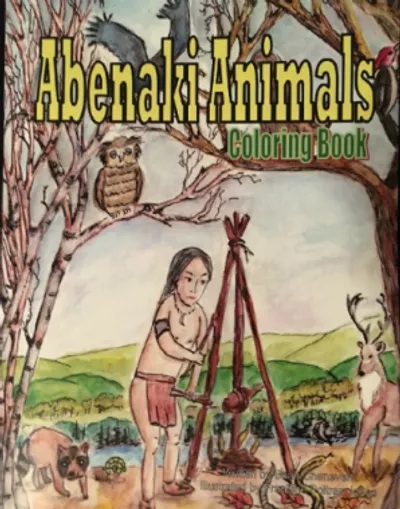
Intended to teach the Abenaki language to children, this coloring book is available through the Nulhegan Abenaki Tribe. Email Nicole St. Onge for purchase details at nicolestonge@myfairpoint.net or Title VI Indian Education Coordinator Lucy Cannon-Neel at Nulhegannecc@gmail.com
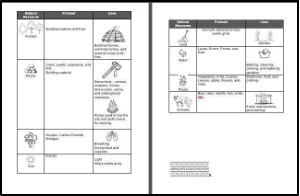
With a minimum of text thatmakes it accessible to most grade levels, this printable PDF links natural resources to their traditional uses by Abenaki people.
Keywords: cultural practices and lifeways, natural resources
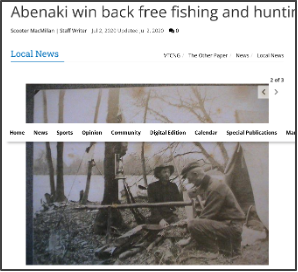
This online newspaper article, also the story of the Abenaki winning free fishing and hunting rights in Vermont, is suitable for middle and high school readers.
This 12-page study guide with student response pages is suitable for grades 4–6. Its original purpose was to support a museum exhibit of the same name, but it works well as an overview of Abenaki history and culture.
Keywords: art, clothing, continuity of culture, cultural practices and lifeways, history
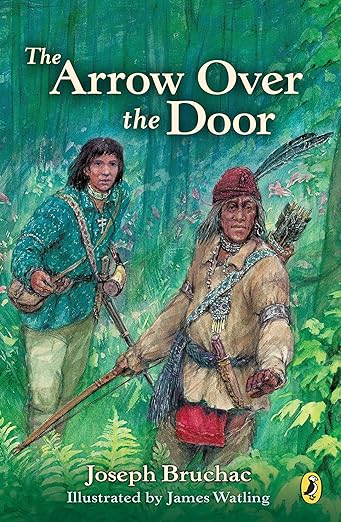
This 275-page book is written as a novel but contains accurate details about the history and culture of the Abenaki people. It is suitable for middle and high school readers and can be used for Supporting Questions 1, 2, and 3.
Keywords: art, continuity of culture, cultural practices and lifeways, family, history, neighbors
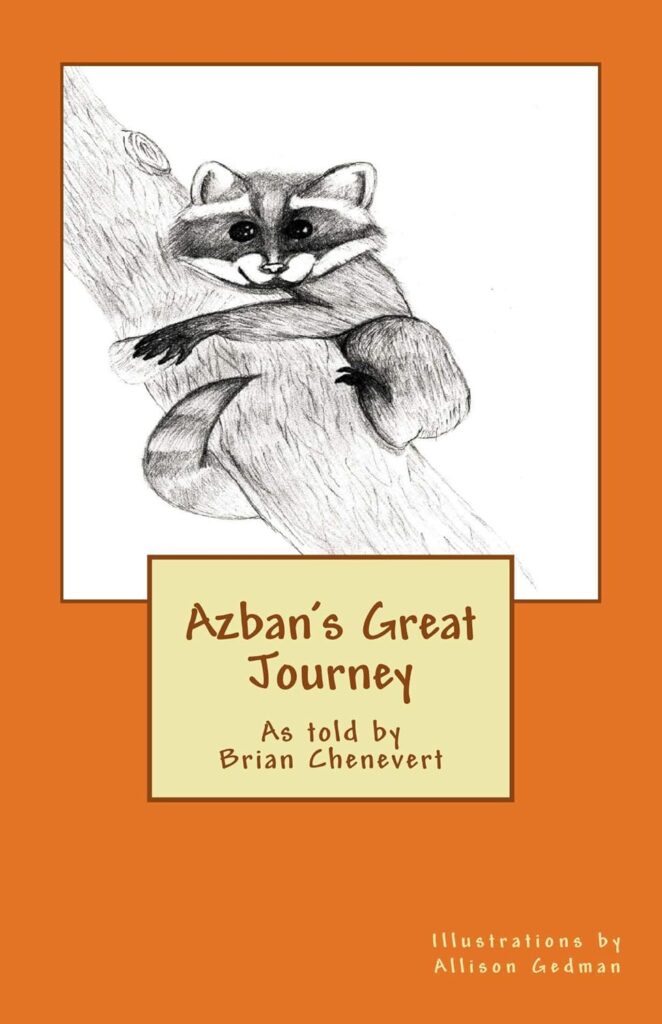
With a reading level suitable for grades 4–6, this 56-page book includes ten traditional and modern tales of the raccoon Azban, trickster of the Western Abenaki people, and provides timeless lessons for all ages. Azban travels to different environments and ecosystems throughout the Abenaki homeland, including the Connecticut River, Koasek/White Pines, Great Falls, caves, and the river/seacoast.
Keywords: food, geography and natural resources, hunting and fishing
Accessible to readers in grades 4–12, the chapter called “Daily Life of the Koasek Abenaki” (pp. 7–10) provides insights into the daily and seasonal activities of Abenaki people.
Keywords: food, cultural practices and lifeways, shelter
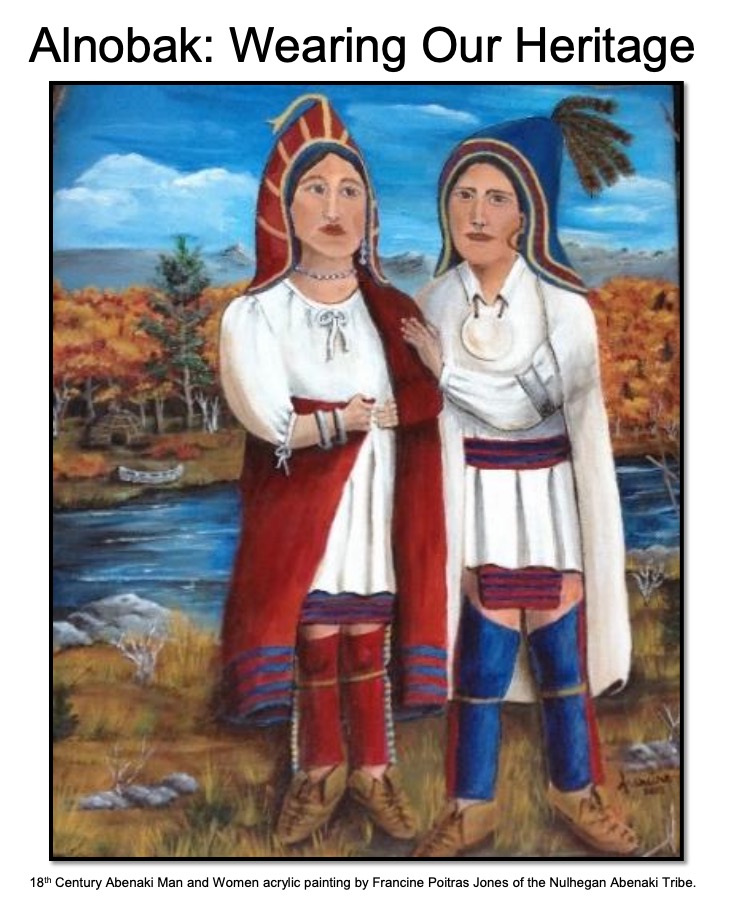
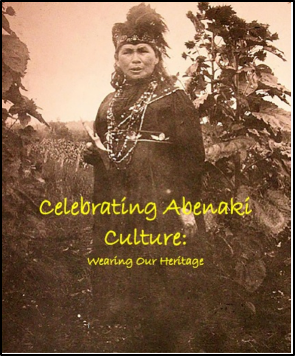
This 12-page study guide, including student response sheets, describes a multi-year project to document traditional clothing made and worn by Abenaki people.
Keywords: clothing, cultural practices and lifeways, history
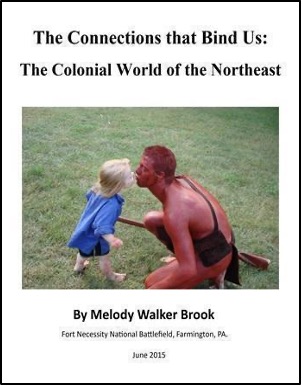
This 29-page research-based article by Melody Walker Brook explains how and why the varied Indigenous tribes of the American Northeast are interrelated. Writing prompts are provided and suitable for high school students.
Keywords: cultural practices and lifeways, history
Suitable for middle and high school students, this blog post addresses hunting traditions, folklore, spirituality, and ends with a poem about the relationship of the Abenaki to wild deer. Photo courtesy of Joe Bruchac.
Keywords: cultural practices and lifeways, hunting and fishing, food
This web page describes famous Abenaki people from the historic period through the present, including healers, leaders, diplomats, and celebrities. Each biography includes links to more resources. The web page includes a worksheet to track student research.
This online article describes what fiddleheads are, when they are harvested, and what they taste like. It also includes traditional recipes for preparing fiddleheads that are adapted with modern ingredients.
Keywords: food, continuity of culture, cultural practices and lifeways
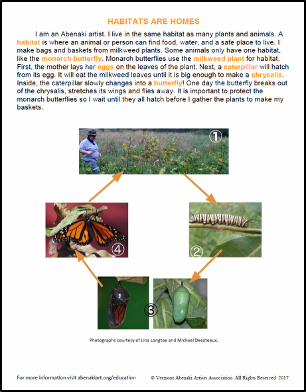
An illustrated 2-page activity sheet from “Abenaki Activity Sheets for Young Learners,” that connects Abenaki weaving to the life cycle and habitat of Monarch Butterflies. Keywords: art, clothing, cultural practices and lifeways
Written by a chef, this online article profiles the Abenaki writer Alex Cotnoir, who also wrote the resource titled “Sugaring in Wabanahkik (Land of the Dawn).” (Cotnoir, 2021)
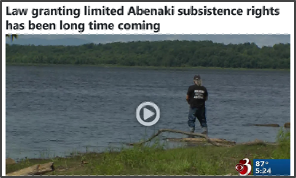
This online text news article, accompanied by a television news video, reports on the State of Vermont granting four Abenaki tribes limited subsistence rights without having to pay fees for fishing and hunting licenses.
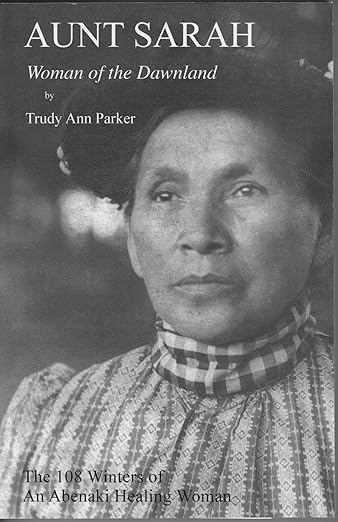
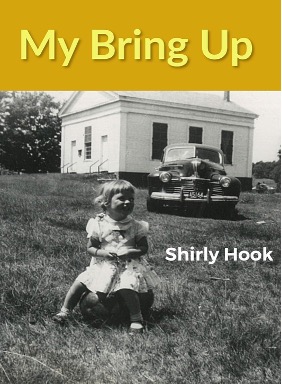
This 156-page book contains a collection of 20 stories about growing up in rural Vermont in the 1950s and 1960s told by an Abenaki woman, Shirly Hook. It is recommended for Supporting Question 3.
Keywords: cultural practices and lifeways, family, food, history, neighbors
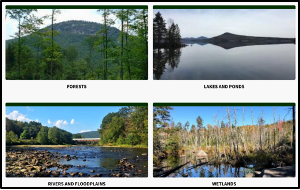
This Vermont government web page, suitable for middle and high school students, describes the ecological functions and benefits to humans of forests, lakes and ponds, rivers and floodplains, and wetlands.
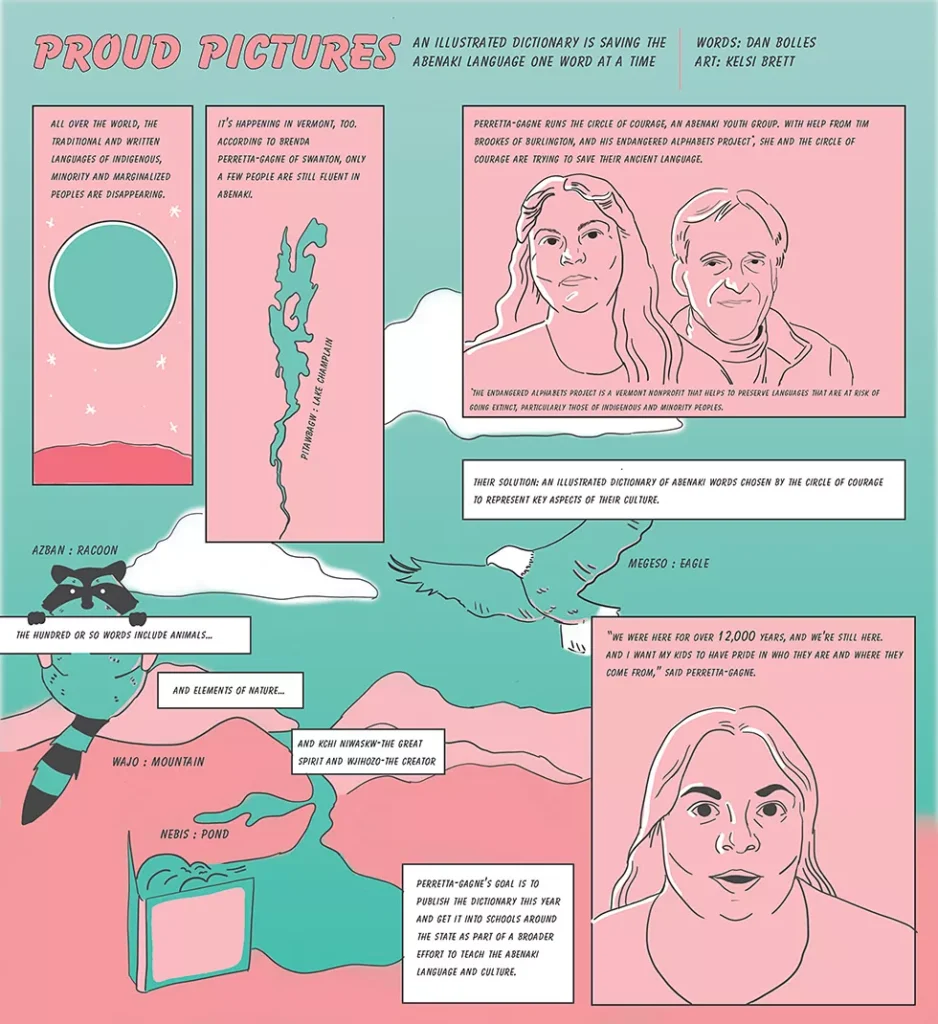
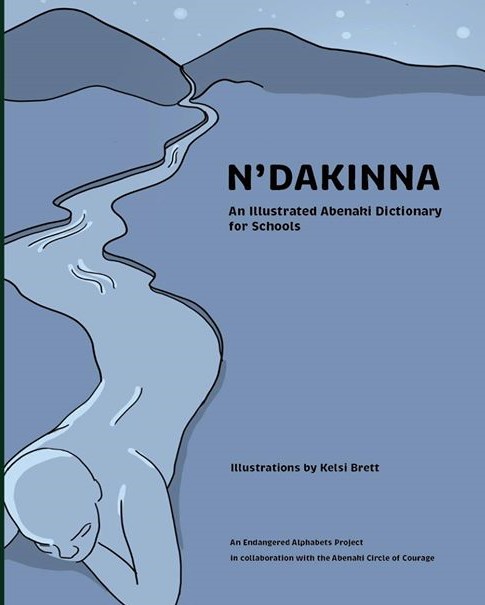
Intended for all ages, this book of about 100 Abenaki words was developed in collaboration with the EndangeredAlphabets Project. It is available through the Circle of Courage Youth Group. To purchase, call (802) 868-3453 or email circleofcourage@comcast.net.Keyword: language
This blog post, accessible by middle and high school students, discusses the effects of early encounters between the Abenaki people and Europeans from the 1000s CE to the 1600s.
Keyword: history
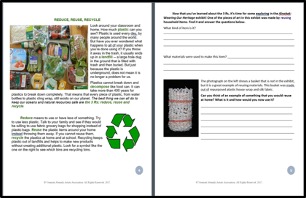
Reduce, Recycle, Reuse (Vermont Abenaki Artists Association & Abenaki Arts & Education, 2017)
The third and fourth pages of this study guide connect the three Rs of waste management to Abenaki art practices that reuse materials and include questions for student reflection.
In this blog post, Joe Bruchac reflects on reasons why information about the Abenaki in Vermont was difficult to find until recent times and State Recognition.
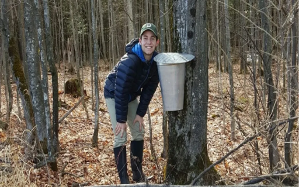
This online article describes the traditional practice of maple sugaring and includes historic and contemporary photos, further reading suggestions, and a resource list for educators.
This blog post describes efforts of a group of Abenaki to assert their rights to fish and hunt through nonviolent action during the 1970s–1990s. The image, one of several in the article, shows St. Francis Sokoki Band of Missisquoi Abenaki Chief Homer St. Francis at the 1987 Fish-in on the Missisquoi River. Photo courtesy of Chief Brenda Perretta-Gagne.
This online joint news release from US Senator Bernie Sanders, US Senator Peter Welch, and US Representative Becca Balint acknowledges the enduring presence of the Abenaki people and gratitude for their contributions to society.
This online news article describes how N’Dakinna: An Illustrated Abenaki Dictionary for Schools was developed in a collaboration between a college-level writing teacher, Abenaki K–6 students, youth groups, and college students.
Nulhegan Abenaki citizen Joe Bruchac describes in this 3-minute video the history of hunting, fishing, and trapping on traditional Abenaki lands and the activism that led to “fish-ins” and resulting legal action that restored many of these traditional rights.
Keywords: hunting and fishing, legal, governance, social justice
This 13-minute video episode of the PBS series Wild Foods explores the Indigenous food sources of the Abenaki of Vermont and the idea of the “forest garden.”
In this 7-minute video, author and curator Frederick M. Wiseman provides a timeline of 12,000 years of Indigenous history in Vermont, including the advent of agriculture about 1,000 years ago, interactions with the Europeans, the effect of eugenics, and recognition by the State of Vermont.
In this 2:19-minute video, an Abenaki potter describes her project to research historical Abenaki pottery and recreate them using local clay and traditional methods.
Keywords: art, cultural practices and lifeways, geography and natural resources
Chief Homer St. Francis and other Abenaki leaders are featured in this documentary video that highlights the Abenaki “fish-in” civil disobedience that led to increased fishing and hunting rights for Tribal members.
Teachers: Please review prior to screening for your class. Content includes use of tobacco, mention of firearms, and the issue of race.
Keywords: continuity of culture, history, hunting and fishing, legal, governance, social justice
This 2-minute news video documents the ceremony when the Abenaki flag was first raised over the Missisquoi Valley Union High School in Vermont. Speakers include Jeff Benay, then Acting Chairman of the VT Commission on Native American Affairs; Brenda Gagne, Abenaki leader; and student drummers and singers.
This two-part documentary video (15 minutes in total) from the Abenaki Circle of Courage youth group examines the sacred uses and misuses of tobacco, with a goal of reducing tobacco use among youths.
Keywords: continuity of culture, cultural practices and lifeways
Teachers: Please review before screening for your students. This video examines the sacred uses and the misuses of tobacco.
During a 2-hour-plus virtual meeting, Rep. Tom Stevens (Waterbury) of the Vermont House of Representatives discusses and votes on a resolution apologizing for state-sanctioned Eugenics policies of the early 1900s and how local Abenakis were affected.
Teachers: Please review prior to screening for your class. Content includes demeaning language used in the early 20th century.
Keywords: family, history, legal, governance, social justice
From the Indigenous Expressions Film Series, this video documents master ash basket maker Jesse Larocque; a trip to an ash grove; and explains how to choose a tree, prepare the splints from the wood, and weave a basket.
In this 9-minute video from the Indigenous Expressions Film Series, the late Abenaki Elder Elie Joubert (Odanak Abenaki) and Jesse Bruchac (Nulhegan Abenaki) work to preserve the endangered Abenaki language through teaching all ages.
Another offering from the Indigenous Expressions Film Series, this 12-minute video depicts traditional Abenaki clothing, hunting, fishing, and drumming during an annual camping and re-enactment outing.
Keywords: clothing, continuity of culture, cultural practices and lifeways, history
Written by Jesse Bruchac, this 5:14-minute song, performed at the 2023 Middlebury School of Abenaki, includes all the foundational patterns of the Abenaki language.
In this video from Peregrine Productions, Chief Don Stevens tells the Abenaki story, explaining the origin of the Green Mountains of Vermont, the Adirondack Mountains, and Lake Champlain.
In a 2-minute video, viewers hear about the preservation of heirloom crops, see the garden where Abenaki food and ceremonial crops are grown for the tribe, and learn about the gardeners’ hopes for the future.
In an 9-minute TedXStowe Talk, Abenaki educator, activist, and artist Melody Walker Brook explains the cultural concept of “Seven Generations” and the challenges to her community.
In a You Tube video of under two minutes, young students at an independent school in Pennsylvania explain their understanding of the meaning of the word culture.
Keywords: cultural practices and lifeways
Other (Teacher Lending Kits, Interactives, and Games)
Field Trips
Permanent exhibitions about the American Abenaki people.
Students can learn about Abenaki culture while using this beautifully illustrated and informative deck of cards. Challenge questions are included and the game is adaptable for all grades.
Located in northwestern Vermont, the Abenaki Nation of Missisquoi has the mission to “engage in efforts that will promote and sustain a strong, healthy, and united community for the citizens of the Abenaki Nation.” (Abenaki Nation of Missisquoi, 2025a)
Based along the Connecticut and West Rivers in southern Vermont, the Elnu Community is focused on maintaining cultural traditions, educating the public, and developing relationships with our neighbors. (Elnu Abenaki Tribe, 2025)
The Koasek of the Koas community spans the Connecticut River in northeast/central Vermont and northwest/central New Hampshire, with the mission to uplift the culture of the Abenaki people. (Koasek Traditional Band of the Koas Abenaki Nation, n.d.-b)
Located in the Northeast Kingdom of Vermont, the Nulhegan Abenaki Band’s mission is to strengthen their government, to build their community, ensure sustainability, and to protect their language, culture, and traditions. (Nulhegan Band of the Coosuk-Abenaki)
Abenaki Non-Profits and Non-Governmental Organizations
The below information is also available as a PDF file.
“The mission of the Abenaki Alliance is to foster a collective voice for the Abenaki communities of our homelands while building a strong, sustainable, and united presence that shares our Native heritage, culture, and values with those around us.” (Abenaki Alliance, n.d.)
“Whether you’re a teacher, curriculum specialist, or homeschooler, we are here to support your journey in bringing Abenaki culture and knowledge to life in your educational setting. Our mission is to empower educators and students by providing them with authentic Abenaki cultural experiences and resources that foster a deeper understanding and appreciation of Abenaki heritage.” (Abenaki Arts & Education Center, 2025g)
“AHA,” the 501(c)(3) non-profit organization of the Nulhegan Band provides educational resources for Nulhegan and other Native American students, “supplies community members with food and essentials in times of need,” and “is committed to educating Nulhegan Band citizens and other Native Americans on traditional, organic, agriculture and sustainable living.” (Nulhegan Band of the Coosuk-Abenaki Nation, 2025a)
The goal of this project is “to visibly honor and share a more inclusive history of the Abenaki people, to highlight historical Abenaki sites, and to accentuate the positive influences our ancestors had had with Colonial America and the towns we, as modern Abenaki, still live in today.” (Nulhegan Band of the Coosuk-Abenaki Nation, 2025b)
“Atowi is a shared community initiative to affirm relationships with the Land and All of Our Relations, raise Native voices, and foster inclusion with understanding, in place.” “Through collaborations with other local entities, centered upon Wantastegok Mskodal (West River “Meadows”), the Project will provide a place-based center to engage with the broader community, while enhancing capacity and creating awareness for future dialogue.” (Atowi, 2025)
The Abenaki Circle of Courage, Inc. is an after-school program, now in its 31st year, which embraces strengths-based approaches in teaching Missisquoi traditional arts and crafts, dance, drumming, and Native language acquisition. Chief Brenda Gagne of Missisquoi is the program coordinator and she can be reached at circleofcourage@comcast.net. (Abenaki Circle of Courage, 2025)
The Missisquoi Title VI Indian Education Consortium serves public schools throughout Franklin-Grand Isle counties through holistic approaches that serve the developmental needs of young people in ways that promote student achievement, cultural awareness, and parent involvement. (Abenaki Nation of Missisquoi, 2025b) For further information, email Project Director Jeff Benay, Ed.D. at Jeff.benay@mvsdschools.org.
Nulhegan Title VI Indian Education serves the North Country, Orleans Central, and Caledonia Central Supervisory Unions, supporting student achievement, cultural awareness, and active community involvement. (Nulhegan Band of the Coosuk-Abenaki Nation, n.d.) For further information, email the Title VI Indian Education Coordinator Lucy Cannon-Neel at Nulhegannecc@gmail.com.
“Vermont Abenaki Artists Association (VAAA) is a Native American arts organization that serves the public by connecting them to Abenaki educators, artists from the visual and performing arts as well as literary genres,” and “by presenting public programs, cultural events, and museum exhibitions that educate the public in understanding Abenaki art and culture.” (Vermont Abenaki Artists Association, 2017)
The White Pine Association, which is a 501(c)(3) educational nonprofit, supports the Koasek of the Koas in their mission to uplift the culture of the Abenaki peoples. (White Pine Association, 2025)
Teacher Training/Professional Development for Teachers
This is an annual “15-week professional development course that provides teachers with a background on 13,000 years of Abenaki culture in the region.” The course is taught by scholars, artists, and Abenaki culture bearers. It is offered by the Abenaki Arts and Education Center and VAAA in partnership with Lake Champlain Maritime Museum. Graduate credit is available through the Vermont State University Center for Schools, Castleton Campus. (Lake Champlain Maritime Museum, n.d.)
Click + to learn more about the American Abenaki Curriculum Committee. Click – to close the box when done.
Jeff Benay, Committee Chair
Jeff has collaborated with the Vermont Abenaki for over 40 years as an educator and community organizer. He has helped to facilitate myriad initiatives such as the Abenaki Pre-School and Kindergarten; the Title VI Indian Education Programs of Franklin-Grand Isle counties; and the Missisquoi Mentoring initiative. He chaired the Governor’s Advisory Commission on Native American Affairs for 15 years, and currently sits on the Vermont Commission on Native American Affairs. His doctoral dissertation was the first participatory construct undertaken at the University of Vermont, where he collaborated with four Abenaki co-researchers of Missisquoi. Jeff lives in Fairfax with his wife Julie, their cat Max, and dog Blue. They have two grown children who both live in the greater NYC area.
Vera Sheehan, Curriculum Developer
Vera Sheehan is an educator, curator, artist, and Executive Director of the Vermont Abenaki Artists Association. She has developed curricula including Presenting Abenaki Culture in the Classroom, offered annually through Castleton University; Indigenous Perspectives: Curriculum, Pedagogy, and the Arts for St. Michael’s College; and Abenaki Art Then and Now offered at Middlebury College. Vera earned her Master of Arts in Liberal Studies (MALS), Certificate in Public History, and a Bachelor of Arts with a double major in Native American and Museum Studies from SUNY: Empire State College. As her capstone project, Vera worked with the Abenaki community to develop and launch the Abenaki Arts and Education Center (AAEC). Vera serves on the Vermont Humanities Executive Board. She previously worked with families and K–12 school groups at the Smithsonian National Museum of the American Indian and served a three-year term on the Vermont Act 1 Working Group (for the Ethnic Studies and Social Equity in Schools bill).
Eloise Beil, Curriculum Developer
Eloise Beil is Curator Emerita for the Lake Champlain Maritime Museum (LCMM). As LCMM Director of Collections and Exhibits 1998–2021, Eloise partnered with Abenaki Culture Bearers and Tribal citizens to present Abenaki cultural heritage through exhibitions, publications, public events, curriculum development, and teacher training. She continues to support and facilitate the work of the Vermont Abenaki Artists Association, Abenaki Arts and Education Center, the American Abenaki Alliance, and the Abenaki people of N’Dakinna. Eloise received her MA from the Cooperstown Graduate Program in American Folk Culture and Museum Studies. In recent years, Eloise has been working with the Exhibitions and Historical Records teams at the Bixby Memorial Free Library in Vergennes. As a visual artist, Eloise for many years exhibited in regional juried exhibitions and served as cofounder, board member, and manager of a co-op gallery of fine arts and artisan crafts by Vermont artists.
Dan Coutu, Web Developer
With 30 years of experience creating and managing websites ranging from small local businesses to global companies that have multilingual websites, Dan provides a wealth of expertise and experience for the crafting of the project’s website. Some of his clients include Random House Publishing, Houghton-Mifflin, Lycos, and FIRST Robotics Lego League. He has served as the Chief Technology Officer for two companies and in various software development roles through his career. He is an Abenaki culture bearer, Tribal councilor, on Vermont’s Land Access and Opportunity Board, a member of the advisory committee of the VT Truth and Reconciliation Commission, and is the Chair of the Vermont Commission on Native American Affairs.
Jennifer DeSorgher, Curriculum Advisor
Jennifer DeSorgher is the Director of Teaching and Learning at Missisquoi Valley Union Middle and High School in Swanton, Vermont. She holds a Bachelors of Arts from Saint Michael’s College in History with a minor in Medieval Studies, a Masters of Education from Johnson State College in Teaching All Secondary Students, a Certificate of Graduate Study from Castleton University in Teacher Leadership, and is a licensed curriculum director. Jenn began at Missisquoi in the fall of 2001 and she has served as a middle and high school social studies teacher, team leader, mentor, and instructional coach before beginning her current role in 2015. She was awarded the MVU Teacher of the Year for 2011–12. Additionally, she serves on the Regional Licensing Board for administrators and the Vermont Principal Association’s Professional Learning and Support Committee. She resides in St. Albans with her husband and daughters where she is also a member of the Recreation and Parks Commission.
Stacey Gould, Committee Member
Stacey Gould is a proud citizen of The Abenaki Nation of Missisquoi St. Francis Sokoki Band, a wife, and a mother. She has worked for Title VI Indian Education for 16 years, eight of those years as the Assistant Coordinator to The Abenaki Circle of Courage. She served as a School Board Member for four years, a Missisquoi Valley Union HS student representative for the PAC (Parent Advisory Committee), and in recent years as a parent. Her dedication to children’s growth, academically and culturally, is reflected by the support she offers to surrounding communities.
Francine Poitras Jones, Committee Member
Francine Poitras Jones is a Tribal Elder in the Nulhegan Band of the Coosuk Abenaki Nation. She successfully completed Presenting Abenaki Culture in the Classroom and is an Educator and contributor for the Abenaki Arts & Education Center. She spent 30 years in marketing before retiring and becoming a substitute teacher with her focus on grades K–3. She is an active artist in several media, and still enjoys working with children as a storyteller. She also has eight great-grandchildren.
Melody Mackin, Committee Member
Melody Mackin is a proud mother, activist, and educator. She received her MA in History from the University of Vermont and served on the Board of Trustees for the VT Historical Society. She has been an adjunct professor for more than 15 years at various institutions, gives presentations and demonstrations in K–collegiate classrooms, and serves as a consultant for educational institutions, non-profits, and other organizations. She has served on governor’s commissions, such as the VT Commission on Native Affairs and VT 250th Commission, and is currently one of three Truth and Reconciliation Commissioners serving on the VTRC.
Deb Reger, Committee Member
Deb Reger, Committee Member A student of life-long learning, Deb Reger became a community radio broadcaster almost 15 years ago with the goal of bringing the voices, music, news, and views of the Original Peoples on the airwaves. Currently co-hosting Moccasin Tracks, a nationally syndicated community radio show with co-hosts of Abenaki descent Rick and Carolyn Hunt at North Country Community Radio, WZNC. Volunteering at ORCA Media (Onion River Community Access), Reger produces a TV series, Moccasin Tracks, for the state-wide cable network. Through community radio and TV, Moccasin Tracks holds space for the voices of the original peoples of Vermont and beyond. Serving on the Vermont Commission on Native American Affairs, Reger represents the Koasek Traditional Band of the Koas Abenaki Nation. Deb Reger is learning to be an ally and in her spare time works on hand-dyed clothing and weaves rag rugs.
Kim Merlino, Curriculum Consultant
Kim is an experienced educational publishing professional with a deep interest in the needs of students and teachers and boundless enthusiasm for translating those needs into cutting-edge learning tools. She has worked with most major publishers as a developer of K–8 science, digital literacy, and social studies instructional materials and was the developer of “Guide to College & Scholarships for Abenaki Students,” 2019 edition. Kim earned her BS in Environmental Education from Cornell University and her EdM in Science Education from Rutgers University. Her background as an educator informs her professional and volunteer work.

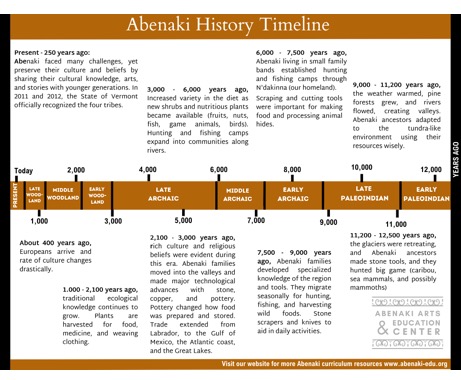





 Permanent exhibitions about the American Abenaki people.